
Family & Intergenerational Trauma · Family Relationships
From Survival Mode to Thriving Families
Some families live as if a storm is always about to hit. Voices rise quickly, small problems feel like emergencies, and everyone seems braced for the next thing to go wrong. Rest feels unfamiliar, and even good days carry a low hum of tension. If this sounds like your home, you may be living in what many people call survival mode.
Survival mode is not a character flaw. It is often a set of habits that once kept people safe, sometimes over many generations. The good news is that families can learn new ways of relating. In this post, you will learn what survival mode looks like in family life, how it gets passed down, what thriving can look like instead, and practical steps your family can take toward calmer, more supportive connection.
What Survival Mode Looks Like in a Family
When a person or family has faced ongoing stress, danger, or uncertainty, the body and mind adapt. The nervous system learns to stay alert, scanning for threats and reacting quickly. That alertness can be protective during a true crisis. The difficulty comes when the crisis passes but the alarm system stays switched on.
In family life, survival mode often shows up as constant urgency, difficulty relaxing together, and a focus on getting through the day rather than enjoying it. Emotions may feel either overwhelming or shut down. Everyone is doing their best, but no one feels quite at ease. Over time, this constant state of readiness can take a toll on sleep, health, schoolwork, and the simple pleasure of being together.
Common Signs to Notice
Families in survival mode may notice some of the following patterns:
- Conflicts escalate quickly, even over minor issues.
- Feelings are rarely discussed, or are expressed only through anger.
- Parents feel exhausted, stretched thin, and unable to slow down.
- Children seem anxious, hypervigilant, or eager to keep the peace at any cost.
- Rest, play, and fun feel like luxuries the family cannot afford.
- Achievement or productivity becomes the main measure of worth.
If several of these feel familiar, take a breath. Recognizing these signs is not about blame. It is about naming what is happening so that change becomes possible.
How Survival Patterns Pass Across Generations
Many survival patterns did not begin with the current generation. Parents often raise children the way they were raised, carrying forward strategies that helped their own families endure war, migration, poverty, discrimination, loss, or instability. These strategies can be wise responses to real danger, yet they may no longer fit the life a family is living now.
For example, a grandparent who survived scarcity may have learned to value hard work above rest. A parent who grew up in an unpredictable home may have learned to stay quiet and avoid conflict. Children absorb these lessons, often without words, and bring them into their own relationships. Our page on intergenerational trauma therapy explores how these inherited patterns can be understood and gently transformed.
Culture, Resilience and Complexity
In many immigrant and multicultural families, survival strategies are intertwined with deep resilience and love. The same parents who seem strict or emotionally reserved may have sacrificed enormously for their children's safety and opportunity. Honoring that sacrifice while also making room for new patterns is a delicate and important part of healing. Children of immigrants often describe feeling torn: grateful for everything their parents gave up, yet longing for more warmth, softness, or open conversation. Both feelings can be true at the same time, and holding them together is often where real understanding begins.
When Your Own History Shows Up in Parenting
It is common for parents to notice their own childhood experiences surfacing when they raise children. A child's tears or defiance can trigger old feelings of fear or helplessness. Our article on parenting through your own childhood wounds offers compassionate insight into this experience.
What Thriving Can Look Like
Thriving does not mean a family never struggles. Every family faces stress, conflict, and hard seasons. What changes is how the family responds. Instead of reacting from fear, members can pause, communicate, and support one another through challenges.
A thriving family is not perfect. It is a family where people feel safe enough to be themselves, make mistakes, and repair after conflict. It is a place where rest and joy are allowed, and where each person's feelings matter.
Emotional Safety
In thriving families, emotions are welcome. Children know they can bring sadness, fear, or frustration to their parents without being dismissed or punished. Parents, too, can express their feelings in healthy ways, showing children that big emotions can be named, felt, and worked through.
Repair After Conflict
Conflict still happens, but it is followed by repair. A parent might say, "I raised my voice earlier, and I'm sorry. Let's try again." This simple act teaches children that relationships can survive difficult moments. It also models accountability, showing that adults can take responsibility for their actions without losing authority or love.
Room for Rest and Play
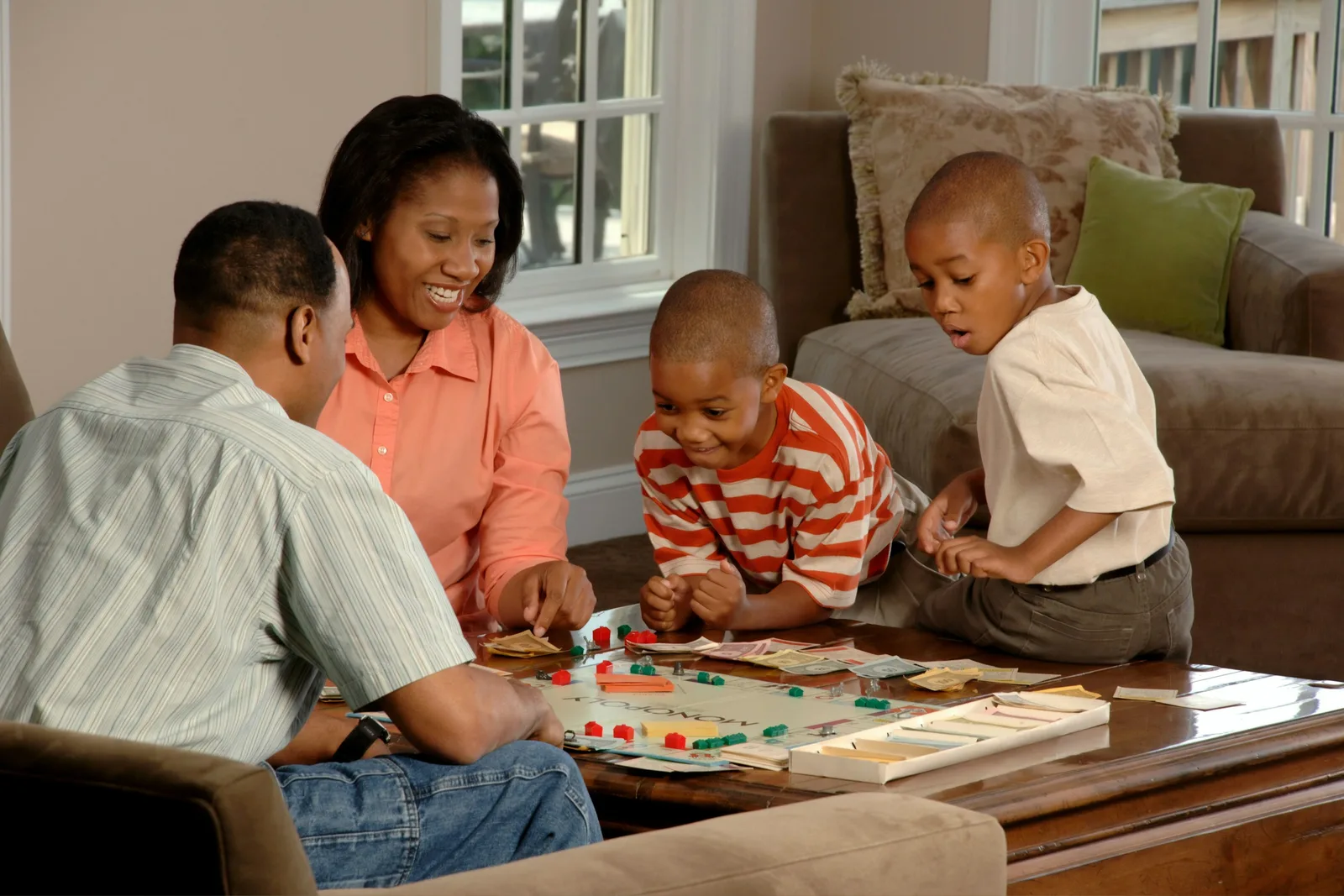
Thriving families make time for connection that is not tied to productivity. Shared meals, walks, games, and laughter help nervous systems settle and remind everyone why they belong together. Our post on building connection in busy families offers ideas for making this possible even with packed schedules.
Steps Toward Moving Out of Survival Mode
Shifting out of survival mode takes time, patience, and compassion. There is no single formula, but small, consistent changes can add up to meaningful transformation. The following steps are general starting points that many families find helpful.
1. Start With Awareness
Notice when your family is operating from urgency or fear. Name it gently, perhaps saying to yourself, "We're in survival mode right now." Awareness creates a pause, and a pause creates choice.
Keeping a simple journal of stressful moments can help you see patterns over time.
2. Care for the Caregivers
Parents cannot pour from an empty cup. When caregivers are depleted, it is much harder to respond calmly. Prioritizing sleep, support, and small moments of rest is not selfish. It is essential for the whole family.
Self-care does not have to be elaborate. It might mean asking a partner or relative to take over bedtime once a week, stepping outside for ten quiet minutes, or letting go of one nonessential commitment so there is a little more breathing room.
3. Create Predictable Rhythms
Nervous systems settle when life feels more predictable. Consistent routines for mornings, meals, and bedtimes can reduce stress for both children and adults.
Predictability does not mean rigidity. It simply gives everyone a sense of stable ground. When plans must change, a quick heads-up ("We're going to Grandma's after school today instead of home") helps children adjust without feeling blindsided.
4. Practice Calming Together
Simple practices like slow breathing, stretching, or quiet time can help family members regulate their bodies. Doing these together, especially with children, teaches that calm is something you can create.
Even a few minutes a day can make a difference. Some families build a short calming ritual into bedtime or the drive home from school, so it becomes a natural part of the day rather than one more task.
5. Talk About the Past With Care
Understanding where survival patterns came from can bring compassion and clarity. Consider gently exploring family history, including what earlier generations endured and how they coped. Our post on breaking generational patterns that no longer serve your family explores this process further.
Move at a pace that feels safe, and remember that some stories may be too painful to tell all at once.
Each of these steps is a small act of courage, and together they can gradually shift the emotional climate of a home.
How Therapy Supports Family Healing
Sometimes survival patterns are so deeply rooted that families need outside support to change them. Therapy offers a space where family members can slow down, understand one another, and practice new ways of relating with a trained guide.
Family therapy can help family members communicate more openly, understand the roots of recurring conflict, and build skills for emotional safety and repair. When trauma is part of the picture, families may also benefit from reading about family therapy for trauma and healing together after crisis. Some individuals may also find value in trauma-focused approaches such as EMDR therapy, which is designed to help people process distressing memories.
This article offers general information, not a diagnosis or treatment plan. If anyone in your family is in crisis or thinking about self-harm, call or text 988 (in the US) or contact emergency services right away.
Conclusion: Your Family Can Learn to Thrive
Survival mode is often a sign of strength: a family that has endured hard things and found ways to keep going. But surviving is not the same as thriving. With awareness, compassion, and support, families can gradually loosen old patterns and build homes where everyone feels safe, connected, and free to grow.
If your family is ready to move from crisis toward connection, you do not have to do it alone. Nabi Family Therapy works with families to understand intergenerational patterns and cultural identity with care and respect. Reach out to our team to learn how therapy can support your family's next chapter.

Ready to take the next step together?
Our care team reads every inquiry and can help you find the right fit.