
Family Mental Health · Awareness
World Mental Health Day: When One Person Heals, the Whole Family Feels It
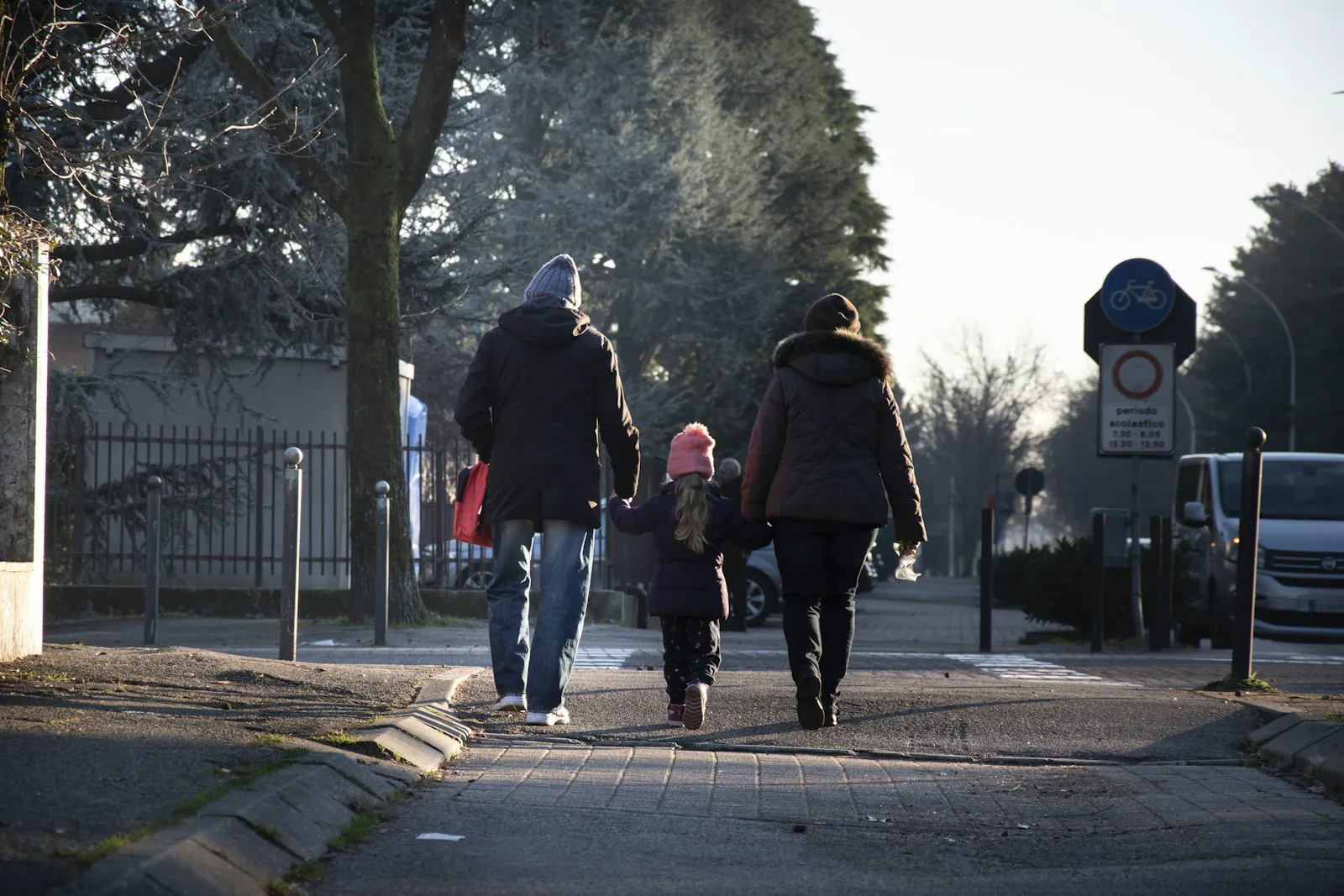
Every October 10, communities around the world pause for World Mental Health Day, a moment set aside to talk openly about how we are really doing. It is easy to treat mental health as a private, solitary thing, something you manage quietly on your own. But anyone who has lived inside a family knows the truth is warmer and more tangled than that. When one person is hurting, everyone feels the weight. And when one person begins to heal, that steadiness has a way of spreading, wing by wing, through the whole home.
At Nabi, we hold onto a simple belief: healing one part of the family creates gentle waves of change for all of it. This year, we want to offer you a way to mark the day that honors both the person reading this and the people who love them. Below, you will find why individual wellbeing and family wellbeing are woven together, what that means for how you support the people you care about, and a few tender first steps you can take this week.
Why Mental Health Is Never Only One Person's Story
Families work like a mobile hanging over a crib. Touch one piece and every other piece shifts to find its balance again. A parent carrying quiet burnout, a teen holding worry they cannot name, a grandparent grieving in silence, each of them changes the emotional weather in the house without saying a word. This is not a failing. It is simply what belonging means: our nervous systems are tuned to one another.
That connection is also the good news. It means care is contagious in the best sense. When a parent learns to name their feelings out loud, children learn they are allowed to do the same. When one sibling sets a kind boundary, the whole family gets a small lesson in respect. Understanding these patterns is often where lasting change begins, and it is the heart of the work we describe in our post on breaking generational patterns that no longer serve your family.
The ripple, in everyday moments
You do not need a crisis to see the ripple at work. It shows up in ordinary life: the dinner table feels lighter, bedtime arguments soften, a hard conversation finally happens without the door slamming. These small shifts are what healing actually looks like, day to day, and they rarely stay contained to the one person who started them.
Starting With Yourself Is Not Selfish
Many of the parents and caregivers we meet carry a quiet guilt about tending to their own mental health. They worry that time spent on themselves is time taken from everyone else. We understand that instinct, and we gently disagree with where it leads. You cannot pour steadiness into your children from an empty cup, and children are remarkably good at sensing when a parent is running on fumes.
Choosing to care for yourself is one of the most generous things you can do for the people who depend on you. Sometimes that care looks like individual therapy, a space that belongs entirely to you, where you can set down what you have been carrying and be met with warmth rather than judgment. What you learn there rarely stays with you alone. It travels home in your calmer voice, your steadier presence, your softer response to a slammed door.
How to Support a Loved One Who Is Struggling
If you are reading this because someone you love is having a hard time, you are already doing something that matters. Showing up with care is the foundation everything else is built on. Still, it can be hard to know what actually helps and what unintentionally pushes a person further inward. The goal is not to fix anyone. It is to stay close while they find their footing.
Here are gentle, practical ways to be a source of safety for someone you love:
Lead with curiosity, not solutions. Ask "What has this been like for you?" before offering advice. Feeling understood is often more healing than being fixed.
Name what you notice, kindly. "You have seemed quieter lately, and I am here whenever you want to talk" opens a door without forcing anyone through it.
Keep the ordinary rhythms going. A shared meal, a short walk, a favorite show together. Connection does not always require deep conversation.
Respect their pace. Healing is not linear. Some days will look like progress and some will not, and both are part of the path.
Take care of you, too. Supporting someone is easier when you are not depleted. Your steadiness is part of what holds them.
Know when to widen the circle. If the struggle is deepening, inviting a therapist into the picture is an act of love, not a last resort.
None of these require you to have the right words every time. Presence matters more than perfection, and a family that keeps showing up for one another is already doing the deepest work there is.
Practical Ways to Honor World Mental Health Day at Home
World Mental Health Day is most meaningful when it becomes something you do together rather than something you simply read about. You do not need a grand plan. A few small, intentional acts can turn a date on the calendar into a real moment of connection for your family. The steps below are designed to be doable in a single week, whatever your family looks like.
Here are five ways to mark the day as a family:
1. Hold a five-minute feelings check-in
Gather everyone, from the youngest to the oldest, and let each person answer one question: "How is your heart today?" Keep it short and pressure-free. The point is not a deep conversation but a shared habit of noticing, out loud, that feelings are welcome in your home. Young children can point to a color or an emoji if words feel like too much.
2. Write one thing you appreciate about each other
Belonging grows when people feel seen. Have each family member write a short note naming something they value about someone else in the family, then read them aloud or leave them on pillows. This tiny ritual counters the steady drip of correction and criticism that family life can accidentally fall into.
3. Create a calm corner anyone can use
Set aside a small, cozy space with a soft blanket, a few books, and maybe a favorite object. Make it clear that this is a spot for anyone who needs a moment to settle, not a punishment or a timeout. When calming down has a home in the house, it becomes a skill instead of a battle.
4. Learn your family's warning signs together
Talk openly about what stress looks like for each of you. Maybe one person goes quiet, another gets irritable, another stops eating well. Naming these signals as a family means you can watch out for one another with compassion instead of surprise.
5. Make a plan for harder days
Decide together, while things are calm, what your family will do when someone is really struggling. That might mean a code word, a standing offer to talk, or knowing that reaching out to a therapist is always an option. Having a plan removes the pressure of figuring it all out in a hard moment.
Try even one of these and notice what shifts. Small, repeatable acts of care tend to outlast big one-time gestures, and they teach children that tending to mental health is simply part of how your family lives.
When It Is Time to Reach for More Support
Sometimes love and good intentions are not quite enough on their own, and that is not a failure of your family. It is a sign that the struggle is bigger than any one household is meant to carry alone. Reaching for professional support is a way of surrounding your family with more hands, not admitting defeat.
If tension keeps returning to the same painful place, if a child or teen seems to be slipping further away, or if you simply feel stuck, working with a therapist can help. Family therapy gives everyone a place to be heard and to relearn how to be a team, while group therapy can remind you that other families are walking a similar road. You are welcome to learn more about who we are and what we believe on our story page, or to meet the people who would be walking alongside you by browsing our therapists.
If you or someone in your family is in crisis or thinking about self-harm, please reach out right away to the 988 Suicide and Crisis Lifeline by calling or texting 988. You do not have to hold that moment alone.
A Gentle Invitation
World Mental Health Day is a reminder that caring for your mind is not a solo act tucked away from the people you love. It is woven into every relationship in your home. When you tend to your own wellbeing, you are quietly tending to your children, your partner, your parents, and everyone whose life touches yours. That is the ripple we believe in, and it can begin with a single, small choice this week.
If you are ready to take that step, whether for yourself or for your whole family, we would be honored to help. Reach out to our team to find a time to talk, and take a look at our fees and insurance information so you know what to expect. Wherever you are today, there is a place for you to belong, and there is room here for your whole family to heal together.

Ready to take the next step together?
Our care team reads every inquiry and can help you find the right fit.