
Children's Mental Health · Anxiety
Selective Mutism Therapy for Children: Finding Their Voice
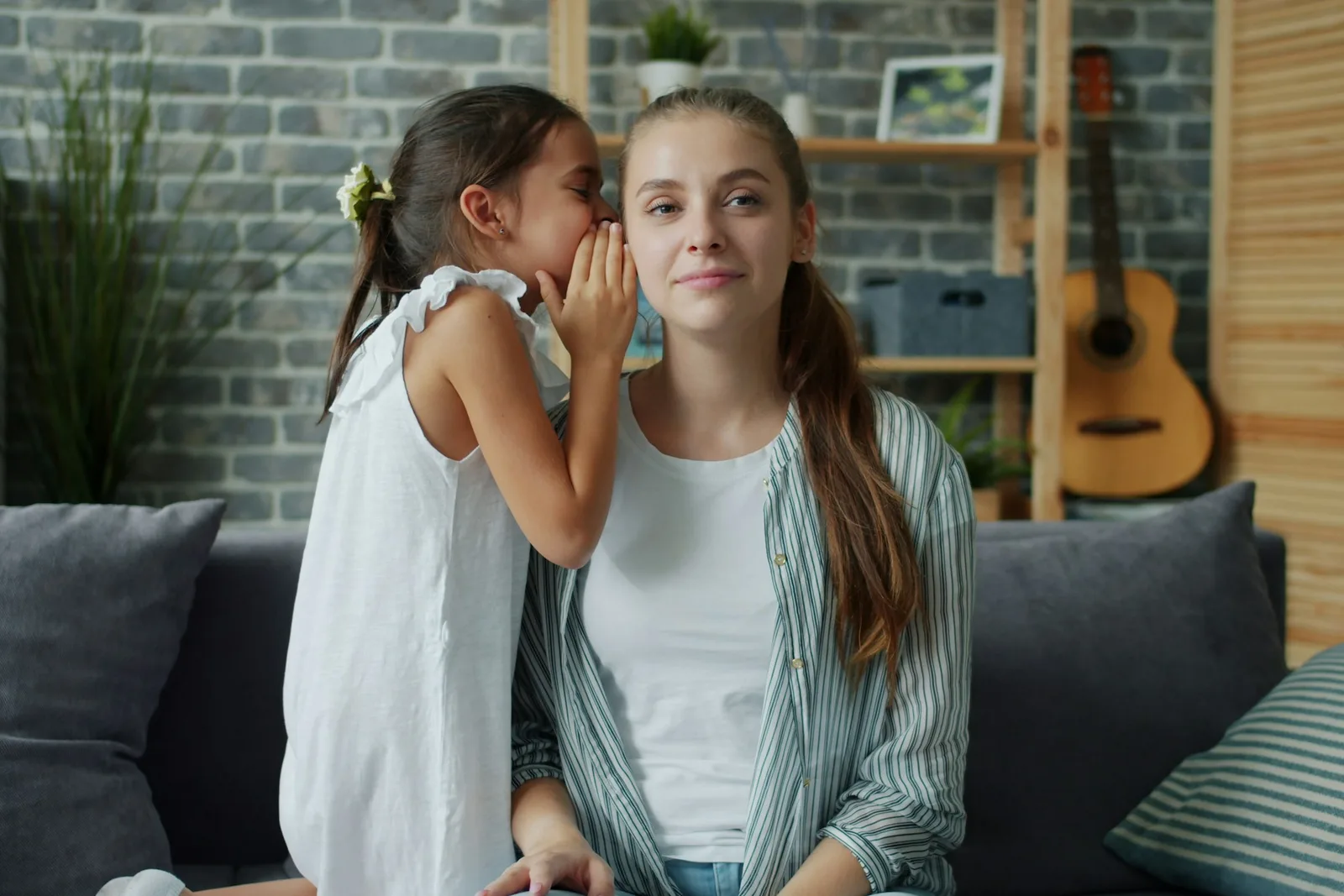
At home, your child might be a chatterbox. They tell long stories at dinner, sing in the bath, and argue about bedtime with impressive skill. Then you walk into a classroom, a birthday party, or the pediatrician's office, and the words seem to disappear. Their face goes still, their eyes drop, and no amount of gentle encouragement brings their voice back. If this sounds familiar, you are not imagining it, and your child is not simply being stubborn or rude.
This pattern is often described as selective mutism, a form of childhood anxiety that makes speaking in certain settings feel almost impossible. In this guide, you will learn what selective mutism is (and what it is not), why it happens, how therapy helps, and what you can do at home to support your child's growing confidence. Most importantly, you will see that with patience and the right support, children can and do find their voice.
What Selective Mutism Really Is
Selective mutism is generally understood as an anxiety condition in which a child who is able to speak consistently does not speak in specific social situations, such as school, while speaking comfortably in others, such as at home with family. It is not a choice in the way adults sometimes assume. For a child with selective mutism, the pressure to talk can trigger a freeze response that feels as real and physical as stage fright does for an adult.
Many children with selective mutism are also described as sensitive, observant, and cautious in new situations. They may avoid eye contact, stand very still, or rely on nodding and pointing. Because they are often quiet and compliant rather than disruptive, their struggles can go unnoticed for a long time or be mistaken for shyness that will pass on its own.
How It Differs From Shyness
Shy children usually warm up after a little time in a new setting. A child with selective mutism may stay silent in the same classroom for months, even with a teacher they like. The silence is persistent, tied to specific places or people, and it begins to interfere with learning, friendships, and daily life.
Common Misunderstandings
Adults sometimes read silence as defiance, a bid for attention, or a sign of a language delay. While a child's communication should always be assessed thoughtfully, selective mutism is best understood through the lens of anxiety. Our overview of anxiety treatment explains how fear can shape behavior in ways that look confusing from the outside.
Why Some Children Stop Speaking in Certain Settings
There is rarely a single cause behind selective mutism. Instead, several factors tend to work together, including temperament, family patterns, and the environments a child moves through each day. Understanding these influences can ease parental guilt and point toward helpful next steps.
Some of the factors clinicians often consider include:
- Temperament: Some children are naturally more cautious and slow to warm up in unfamiliar situations.
- General anxiety: Selective mutism frequently appears alongside other worries, such as separation fears or social anxiety.
- Transitions: Starting school, moving, or changing classrooms can intensify a child's sense of being watched.
- Language and culture: Children learning a second language may feel extra pressure to "get it right" before speaking.
- Accidental reinforcement: When adults understandably rescue a child by answering for them, the anxiety can quietly grow stronger over time.
For multilingual and immigrant families, it is important to separate a normal "silent period" in language learning from anxiety-driven silence. A culturally attuned clinician can help sort this out. Families who want a therapist who understands these layers may find our page on Asian American family therapy helpful, since cultural expectations around respect, quietness, and performance can shape how anxiety shows up.
How Therapy Helps Children Find Their Voice
Therapy for selective mutism focuses on lowering anxiety and building speaking confidence in small, manageable steps. Rather than pressuring a child to talk, a skilled therapist creates a playful, predictable space where the child feels safe enough to take tiny risks. Progress is measured not only by words spoken, but by growing comfort, connection, and courage.
Approaches are always tailored to the individual child. In general, child therapy for anxiety draws on play, gradual exposure, and close collaboration with parents. The goal is to help a child learn, through experience, that speaking in hard places is survivable and even rewarding.
Gradual, Step-by-Step Exposure
Therapists often break speaking into a ladder of small steps. A child might begin by making sounds during a game, then whispering to a parent while the therapist is nearby, then answering a simple question. Each step is practiced until it feels easier before moving to the next one.
Play as the Pathway
Young children communicate through play. Games, puppets, and drawing lower the stakes and shift attention away from the pressure to perform. When a child is absorbed in something fun, a word can slip out almost before they notice.
Parents as Partners
Because children spend far more time with their families than with any therapist, parents are essential. Many families benefit from parent-child therapy, where caregivers learn specific ways to prompt, praise, and wait that encourage speech without adding pressure.
Practical Ways Parents Can Support Brave Talking
What happens between sessions matters just as much as what happens in the therapy room. The following strategies are general ideas many families find useful. A therapist can help you adapt them to your child's needs and pace.
1. Take the Pressure Off
Avoid demanding that your child "just say hi" or promising a reward for talking to a stranger. Pressure usually increases anxiety. Instead, let your child know you understand that talking feels hard sometimes and that you believe it will get easier.
Keep your tone warm and matter-of-fact. Children read our faces closely, so staying calm when they freeze helps them feel less exposed.
2. Resist the Urge to Rescue
It is natural to answer for a child who goes silent. Over time, though, this can teach the brain that silence works. Try asking a question, then waiting a few seconds before gently moving on. That brief pause gives your child a real chance to respond.
If your child does not answer, simply continue the conversation without comment. The goal is to leave the door open, not to force it.
3. Offer Easier Choices
Open questions like "What did you do today?" can feel overwhelming. Choice questions, such as "Did you play with blocks or paint?", make answering simpler. They also give your child a script to lean on.
As confidence grows, you can gradually shift toward more open questions.
4. Celebrate Small Wins Specifically
When your child whispers to a cousin or waves at a teacher, notice it. Specific praise such as "I saw you tell the cashier thank you. That was brave." helps your child connect effort with pride.
Try not to make a big public fuss, which some children find embarrassing. A quiet acknowledgment afterward often lands best.
5. Partner With School
Teachers can be powerful allies. Share what you are learning in therapy and ask about low-pressure ways your child can participate, like pointing, writing, or speaking first to one trusted classmate.
A consistent plan across home, school, and therapy helps a child practice brave talking in more places. Some families also arrange short, relaxed visits to the empty classroom before or after school, so their child can get comfortable speaking there with a parent before other students arrive.
These steps may feel small, but together they create an environment where your child's courage can grow steadily.
When to Seek Professional Support
Every child has quiet moments, and not every reluctant speaker needs therapy. Still, early support can make a real difference, especially when silence starts affecting school, friendships, or your child's sense of self. Trust your instincts if something feels stuck.
You might consider reaching out if your child has been consistently silent at school for more than a few weeks, seems distressed about speaking, or is missing out on activities they would otherwise enjoy. Our article on signs your child is struggling beyond normal growing pains offers additional guidance. You can also read about age-appropriate treatment for childhood anxiety disorders to understand how care is matched to a child's developmental stage.
If you are unsure what the first appointment involves, our guide on what to expect in your first therapy session can help you and your child feel more prepared. This article is general information, not a diagnosis, and a qualified clinician can help you understand what is happening for your child.
Conclusion: Every Voice Deserves to Be Heard
Selective mutism can be confusing and painful for families, but it is not a life sentence. With understanding, patience, and a thoughtful plan, children learn that their voices are welcome and safe. Therapy offers structured, playful steps toward speaking, while parents and teachers build the everyday bridges that help new skills stick.
If your child's silence has you worried, you do not have to figure it out alone. The team at Nabi Family Therapy works with children and families to address anxiety with warmth and cultural understanding. Reach out to our team to talk about your child's needs and take the first gentle step toward helping them find their voice.

Ready to take the next step together?
Our care team reads every inquiry and can help you find the right fit.