
Parenting · Child & Teen Mental Health
National Bullying Prevention Month: Helping Your Child Feel Safe, Seen, and Supported
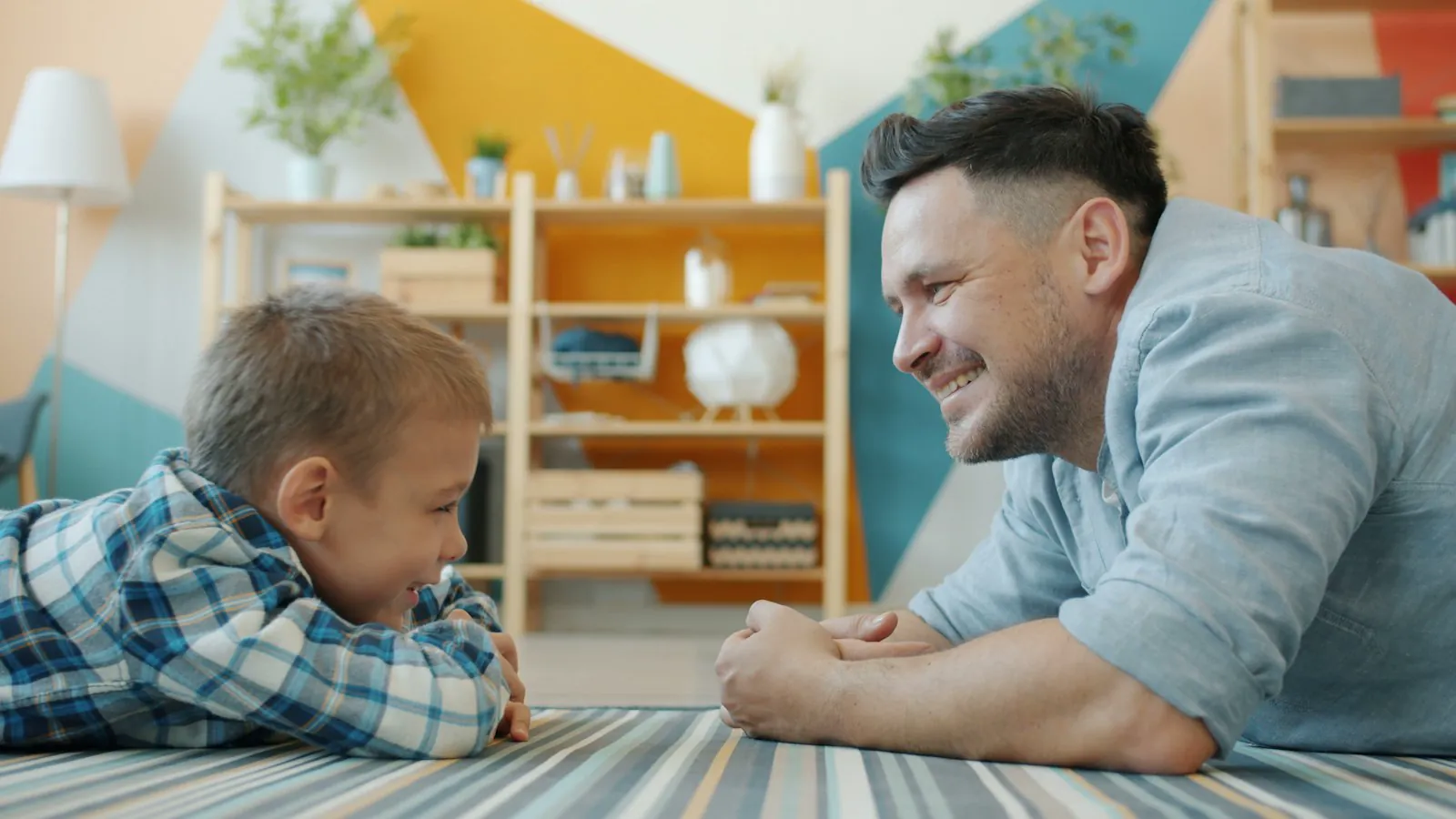
Few things ache like watching your child come home smaller than they left. National Bullying Prevention Month, observed every October, exists because bullying is far more common than many families realize, and because the way the adults around a child respond can change the entire story. Bullying is not a rite of passage or something kids simply need to toughen up to survive. It leaves real marks, and children need the grownups who love them to notice, believe them, and help them find their footing again.
At Nabi, we believe that when a child feels safe, the whole family exhales. This month, we want to help you recognize what bullying can look like today, understand how it affects a young heart, and respond in ways that rebuild your child's confidence and your connection with them. Whether your child is in kindergarten or high school, your steady presence is the most protective thing they have.
What Bullying Looks Like Now
Bullying has changed. It is no longer confined to the playground or the school bus, and it does not always leave visible bruises. Today it follows children home through their phones, appears in group chats they cannot escape, and unfolds in comments, exclusions, and screenshots that live on long after the moment passes. Understanding the full range of what bullying can be is the first step to catching it early.
Bullying generally shows up in a few overlapping forms, and a child may face more than one at once:
Physical bullying, which includes hitting, shoving, tripping, or damaging a child's belongings.
Verbal bullying, such as name-calling, threats, cruel teasing, or humiliating remarks.
Social or relational bullying, the quieter kind, where a child is deliberately excluded, gossiped about, or turned against by former friends.
Cyberbullying, which uses texts, social media, and games to harass, embarrass, or isolate, often around the clock.
Identity-based bullying, which targets a child for who they are, their culture, appearance, faith, or family, and can wound especially deeply.
Naming these forms matters because the subtler ones, especially social and online bullying, are easy for busy adults to miss. A child who is being excluded may not have a single story to point to, only a growing sense that they do not belong.
The Signs Your Child May Not Say Out Loud
Many children never tell an adult they are being bullied. They may feel ashamed, fear making things worse, or worry that speaking up will cost them their phone or their independence. That silence means parents often have to read between the lines, paying attention to changes in behavior rather than waiting for a confession.
Watch for shifts like a sudden reluctance to go to school, unexplained stomachaches or headaches, changes in sleep or appetite, lost or damaged belongings, a drop in grades, or a child who becomes withdrawn, irritable, or unusually anxious. Teens in particular may pull away rather than open up, and that distance can be its own kind of signal. If your once-talkative teen has gone quiet, our post on when your teen stops talking to you offers gentle ways to keep the door open.
Trust the change, not just the words
You know your child's baseline better than anyone. When something feels off, that instinct is worth honoring even if your child insists everything is fine. You do not need proof to start showing up with extra care.
How to Respond When Your Child Opens Up
The moment a child finally tells you something is wrong is fragile and important. How you react in those first few minutes teaches them whether it is safe to keep coming to you. The instinct to rush in, fix it, or march up to the school is understandable, but slowing down and listening first almost always serves your child better.
If your child comes to you about bullying, these responses help them feel safe:
1. Stay calm and grateful
Even if your heart is pounding, keep your voice steady and thank them for telling you. A child who sees a parent spiral may decide next time it is easier to stay silent. Let your first words be, "I am so glad you told me, and we will figure this out together."
2. Listen fully before problem-solving
Resist the urge to jump straight to solutions. Ask open questions, let them tell the whole story at their own pace, and reflect back what you hear. Feeling truly understood is often the first relief a bullied child experiences.
3. Affirm that it is not their fault
Bullied children frequently carry a hidden belief that they somehow brought it on themselves. Say it plainly and more than once: no one deserves to be treated this way, and nothing about who they are makes this okay.
4. Make a plan together
Include your child in deciding what happens next, whether that means talking to the school, adjusting phone settings, or role-playing what to say. Being part of the plan restores a sense of control that bullying tends to strip away.
5. Keep the conversation going
One talk is rarely enough. Check in regularly, keep your tone warm rather than interrogating, and let your child know the subject is always open. Consistency tells them your support is not a one-time offer.
Handled with care, these conversations do more than address the bullying. They deepen your child's trust that home is a place where hard things can be said and met with love.
Rebuilding Confidence After Bullying
Once the immediate situation is being addressed, there is deeper work to do. Bullying can leave a child doubting their worth, anxious in social settings, or braced for rejection long after the bullying stops. Helping them heal means slowly rebuilding the sense of safety and self-belief that was chipped away, and that is where extra support can make a real difference.
Sometimes a child needs a space of their own to process what happened. Child therapy gives younger kids a safe, playful place to work through fear and rebuild confidence, while teen therapy offers older children a private space to untangle the impact on their self-image and friendships. When bullying has left lingering worry or dread, focused anxiety treatment can help a child feel like themselves again. And because bullying affects the entire household, family therapy can help everyone find their way back to steady ground together.
Parents need support too. It is painful and disorienting to watch your child suffer, and you do not have to navigate it by instinct alone. Parent coaching can give you concrete language and a plan for advocating at school, supporting at home, and caring for your own worry in the process.
Prevention Starts With Belonging
The most lasting protection against bullying is a child who knows, all the way down, that they belong somewhere unconditionally. A child rooted in that kind of belonging is more likely to speak up, more resilient when someone is unkind, and less likely to treat others cruelly. That foundation is built at home, in a thousand small moments of being welcomed exactly as they are.
You can nurture that belonging by making your home a place where feelings are allowed, differences are respected, and every family member is treated with dignity. Talk openly about kindness and about standing up for others. Model the respect you hope your child will carry into the world. And when your child needs more than home can offer, remember that reaching out is a form of strength, not a sign that you have failed.
It also helps to teach children the difference between telling and tattling, so they understand that reporting cruelty, whether it is aimed at them or at a classmate, is a brave and caring act rather than a betrayal. Encourage the small daily habits that build a kinder world: inviting the lonely kid to sit down, speaking up when a joke crosses a line, checking on a friend who seems off. Children who learn to look out for one another are less likely to be bystanders and more likely to become the safe person another child turns to. In this way, preventing bullying becomes something your family does not just for your own child but for the whole community of children around them.
This National Bullying Prevention Month, let your child know they are not alone and neither are you. If you would like support for your child or your whole family, take a look at our therapists to find someone who feels like the right fit, and reach out to us whenever you are ready to talk. Every child deserves a place to feel safe, seen, and certain that they belong.

Ready to take the next step together?
Our care team reads every inquiry and can help you find the right fit.