
ADHD · Family Mental Health
ADHD Awareness Month: Understanding the Whole Family Behind the Diagnosis
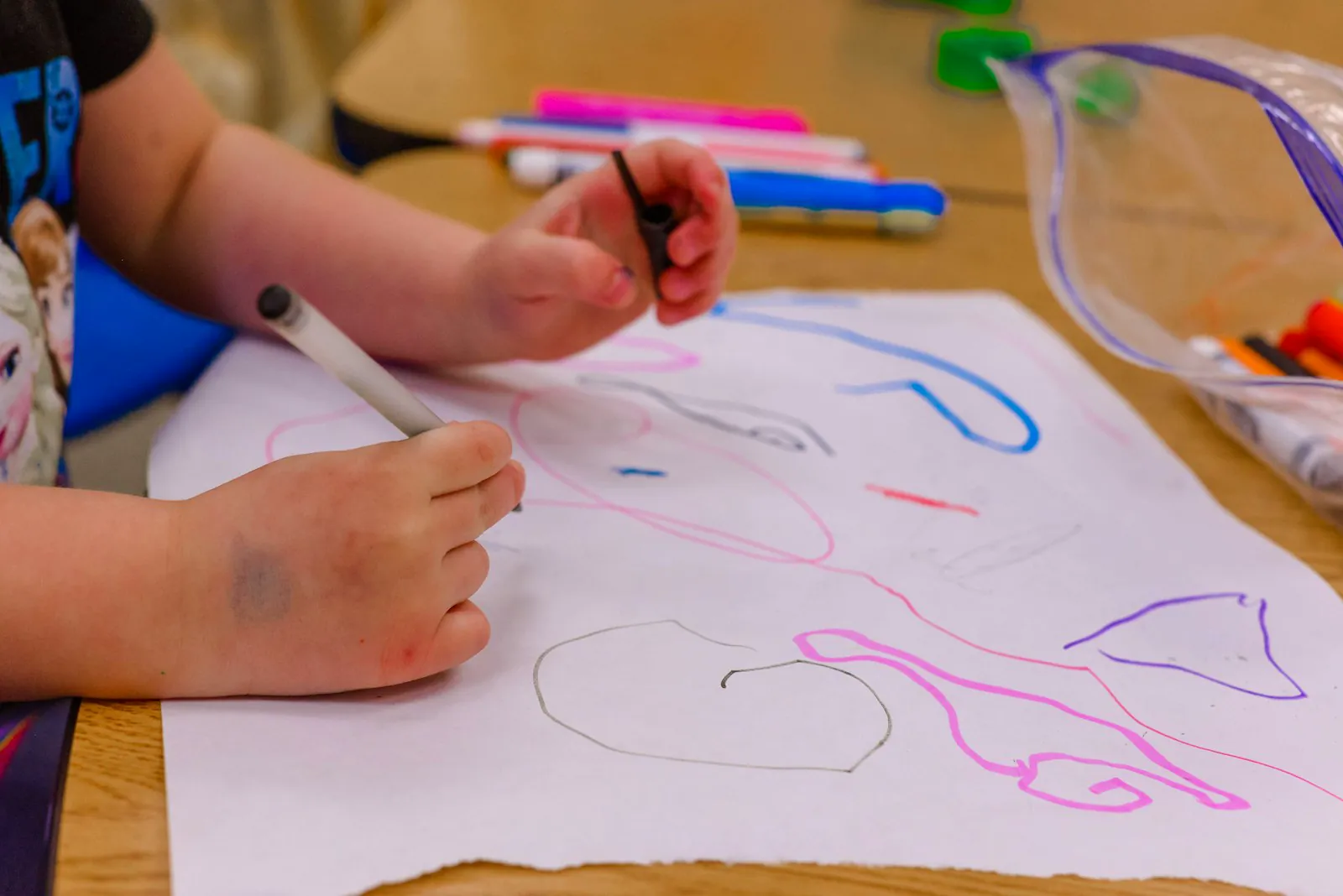
Every October, ADHD Awareness Month invites us to look past the tired clichés about restless kids and daydreamers and toward something truer: ADHD is a different way of being wired, and it touches everyone who shares a home. When one family member has ADHD, the whole household organizes itself around that reality, sometimes with frustration, sometimes with creativity, and often with a mix of both. Awareness is not about labeling anyone. It is about understanding one another well enough to build a home where each person can thrive.
At Nabi, we hold to the belief that when one person is supported, the whole family steadies. This ADHD Awareness Month, we want to offer a warmer, more complete picture of what ADHD is, how it moves through a family, and how to support the people you love, whether that is a curious seven-year-old, a stretched-thin teen, a partner, or yourself.
Moving Beyond the Myths
Much of what people think they know about ADHD is either outdated or only half true. ADHD is not a lack of willpower, a parenting failure, or something a child will simply grow out of. It is a difference in how the brain manages attention, motivation, and impulse, rooted in biology and present across a lifetime. People with ADHD are frequently bright, imaginative, deeply feeling, and capable of remarkable focus on the things that genuinely light them up.
We take a neurodivergence-affirming view, which means we do not treat an ADHD brain as broken and in need of fixing. We treat it as a brain that works differently and deserves to be understood on its own terms. That shift in framing changes everything, especially inside a family, because it moves the conversation from "What is wrong with you?" to "What do you need to feel supported here?"
The strengths that often go unnamed
Alongside the real challenges, ADHD frequently comes with gifts that families overlook when they are focused on struggles: creativity, humor, empathy, a talent for thinking sideways, and an ability to hyperfocus on passions. Naming these strengths out loud is not about ignoring the hard parts. It is about making sure a child or partner hears more than a running list of their difficulties.
How ADHD Moves Through a Family
ADHD rarely stays contained to the person who has it. Morning routines, homework, chores, and even weekend plans can become flashpoints, and over time families can fall into painful roles: the nagging parent, the forgetful kid, the sibling who feels overlooked, the partner who quietly picks up the slack. None of these roles reflect anyone's character. They are simply what happens when a family is trying to cope without a shared understanding of what is really going on.
For families navigating culture and identity alongside a diagnosis, the picture can be layered in ways that deserve extra care. Expectations about behavior, achievement, and what it means to be a good child or a good parent can add pressure that has nothing to do with the ADHD itself. Our reflection on living between two worlds and the Asian American cultural experience speaks to how those layers can shape a family's inner life, and why compassion matters so much.
What helps most is naming these dynamics out loud, together, before they harden into resentment. When a family can say, "This is the ADHD talking, not a lack of love or effort," the whole tone shifts. Siblings stop keeping score, parents stop taking forgetfulness personally, and the person with ADHD stops absorbing the quiet message that they are a burden. That shared language does not erase the hard days, but it changes who the family is fighting. Instead of turning on one another, everyone turns toward the challenge as a team, which is exactly where healing tends to take root.
Support That Fits the Person You Love
There is no single right way to support ADHD, because ADHD looks different at every age and in every person. What helps a young child settle is not what helps a teenager find independence, and neither is what helps an adult manage a demanding career. Good support meets each person where they actually are, honoring both their needs and their strengths.
Depending on who in your family is navigating ADHD, support might take different shapes:
For younger children, warmth and structure work together. Child therapy can help a child understand their own mind, build early coping skills, and feel that their big feelings are welcome rather than a problem.
For teens, the goal shifts toward autonomy and self-trust. Teen therapy offers a private, judgment-free space to work through school stress, friendships, and the identity questions that ADHD can complicate.
For parents, having a coach in your corner changes everything. Parent coaching gives you strategies, language, and reassurance so you can respond to hard moments without losing your connection.
For adults, ADHD often shows up as burnout, overwhelm, or relationship strain long before anyone connects the dots. Adult ADHD therapy helps make sense of a lifetime of "Why is this so hard for me?" with clarity and self-compassion.
When you need answers first, a thorough ADHD evaluation and assessment can replace guesswork with real understanding, for a child, a teen, or an adult.
Whatever the right fit is, the throughline is the same: support works best when it is affirming, individualized, and shared by the whole family rather than placed on one person's shoulders.
Building an ADHD-Friendly Home
You do not have to wait for a formal plan to start making your home a place where an ADHD brain can flourish. Small, consistent changes in the environment often do more than repeated reminders ever could. The steps below are designed to reduce daily friction and, just as importantly, to protect the warmth between you and the people you love.
Here are five ways to make your home more ADHD-friendly:
1. Make the invisible visible
ADHD brains struggle to hold on to things they cannot see. Whiteboards, checklists, labeled bins, and visible clocks turn abstract expectations into something concrete. When the plan lives on the wall instead of only in someone's head, you spend less energy nagging and more energy connecting.
2. Shrink the task
Big tasks can feel paralyzing to an ADHD brain, which reads "clean your room" as one overwhelming wall. Break it into small, clear steps, and celebrate progress along the way. "Put the books on the shelf" is a starting line someone can actually cross.
3. Build routines you can lean on
Predictable rhythms free up mental energy that would otherwise go to figuring out what comes next. Anchor the day with a few reliable routines around mornings, homework, and bedtime, and keep them simple enough to survive a hard day.
4. Protect the relationship over the rule
When a moment is heating up, ask yourself what matters more right now: winning this particular battle or keeping the connection intact. ADHD comes with more correction than most people realize, and a child or partner needs to know your love is not conditional on their focus.
5. Notice and name the wins
ADHD brains are especially responsive to encouragement in the moment. Catch the effort, not just the outcome, and say it out loud. Specific praise like "I saw how you stuck with that even when it was boring" builds the very self-belief that ADHD can wear down.
Try one of these this week and give it time to settle in. The aim is not a perfectly run household but a home where an ADHD family member feels understood, capable, and genuinely liked.
Awareness Is the First Step, Not the Last
The most powerful thing ADHD Awareness Month can do is turn awareness into action inside your own home. Understanding why a child forgets, why a teen shuts down, or why a partner feels perpetually behind is the beginning of real compassion. From there, the work becomes practical: adjusting the environment, sharing the load, and inviting support when you need it.
If you have questions about where to begin, our frequently asked questions page answers many of the things families wonder about before reaching out. And when you are ready to talk with someone who sees your family's strengths as clearly as its challenges, we are here.
This ADHD Awareness Month, let understanding lead the way. When one member of your family feels truly supported, everyone breathes a little easier. Connect with our team whenever you are ready, and let us help your whole family find its footing together. There is a place here for every kind of mind to belong.

Ready to take the next step together?
Our care team reads every inquiry and can help you find the right fit.