
Family Therapy · Parenting
When Home Doesn't Feel Like Home
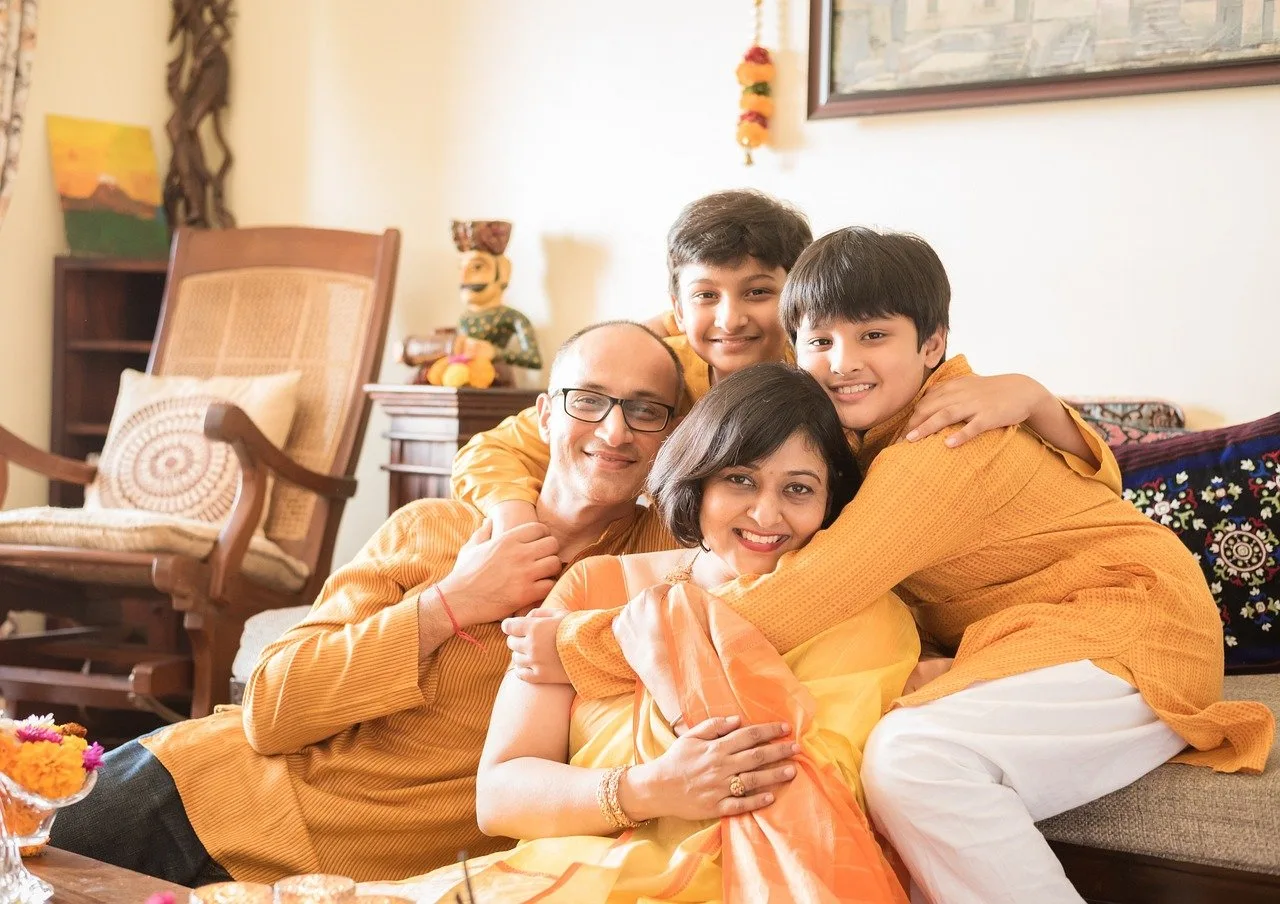
There's a particular kind of loneliness that happens when you're surrounded by family but still feel miles apart. You might be sitting at the dinner table together, sleeping under the same roof, sharing the same space, yet something feels missing. Home becomes just a physical location rather than the emotional sanctuary it's meant to be.
Like the butterfly (nabi in Korean) that needs the right environment to emerge and thrive, every family member needs to feel that home is a place where they truly belong. When that sense of belonging frays, it affects everyone in the family system. The good news is that with intention and support, families can rebuild connection and create a home where everyone feels seen, safe, and valued.
Why Home Sometimes Stops Feeling Like Home
The feeling that home doesn't feel like home rarely happens overnight. It builds gradually through countless small disconnections, each one creating a bit more distance until family members start to feel like strangers living together. Understanding what creates this distance is the first step toward healing.
When family therapy clients describe this experience, they often talk about feeling invisible in their own homes. Parents working long hours to provide for their families find themselves disconnected from their children's inner worlds. Teens retreat to their rooms, creating physical barriers that mirror emotional ones. Partners become so focused on managing logistics that they forget how to simply be together.
Cultural factors can intensify these feelings, especially for families navigating multiple cultural identities. When children are growing up in a culture different from their parents' heritage, home can feel like a place where different parts of yourself are at odds. The values, communication styles, and expectations from one culture may clash with those from another, leaving family members feeling like they don't fully belong anywhere.
When home doesn't feel like home, the effects ripple through every family member. Children may struggle with anxiety or act out behaviorally, searching for connection in unhealthy ways. Parents experience guilt and exhaustion, working harder yet feeling less effective. Couples drift apart, their relationship reduced to coordinating schedules rather than emotional intimacy.
This disconnection doesn't mean your family is broken. It means your family system needs support in finding its way back to each other. Just as the butterfly must work its way out of the cocoon to strengthen its wings, families sometimes need to move through discomfort to emerge stronger and more connected.
Signs Your Family Needs to Reconnect
Recognizing the signs of disconnection helps families take action before the distance becomes too wide to bridge, and understanding these patterns creates space for healing to begin.
Conversations Stay Surface Level
Dinnertime talk revolves around schedules and logistics rather than feelings, dreams, or genuine connection. Family members share the same space but rarely share their inner experiences.
Everyone Retreats to Separate Spaces
Each person disappears into their own world, whether that's bedrooms, devices, or work. The home becomes more like a hotel where people come to sleep rather than a place to truly be together.
Conflicts Escalate Quickly or Never Happen
Either small disagreements explode into major fights, or family members avoid conflict entirely, walking on eggshells to keep the peace. Both patterns signal that emotional safety has eroded.
Cultural or Generational Gaps Feel Insurmountable
Parents and children struggle to understand each other's perspectives, especially when navigating different cultural expectations. Home becomes a battleground between preserving heritage and adapting to a new culture.
Physical Presence Doesn't Equal Emotional Connection
Everyone might be in the same room, but they're not really together. Phones, screens, and distractions fill the space where connection used to be.
How Therapy Helps Families Rebuild Belonging
Therapy creates a unique space where families can slow down, turn toward each other, and begin rebuilding the connections that make home feel like home. Here's how the therapeutic process supports families in this healing journey.
1. Creating Safety to Be Vulnerable
The first step in family therapy involves establishing emotional safety. When family members feel safe enough to be vulnerable, a real connection becomes possible again.
2. Understanding Each Person's Experience
Therapy helps family members see each other's perspectives with fresh eyes. Parents begin to understand their teen's need for autonomy while teens recognize their parents' concerns come from love.
3. Bridging Cultural and Generational Divides
For families navigating multiple cultures, therapy provides tools to honor heritage while adapting to new contexts. Parent coaching can help caregivers understand how to maintain cultural values while respecting their children's bicultural identity.
4. Rebuilding Communication Patterns
Families learn new ways of talking and listening to each other. These aren't just communication techniques; they're practices that rebuild trust and demonstrate that everyone's voice matters.
5. Healing Past Hurts
Sometimes the distance at home stems from unresolved pain. Trauma therapy approaches like EMDR can help family members heal wounds that keep them from being fully present with each other.
6. Creating New Rituals of Connection
Therapy helps families establish new patterns, whether that's weekly family meetings, device-free dinners, or rituals that honor cultural heritage. These practices become the foundation for sustained connection.
Small Steps Toward Feeling Home Again
While therapy provides crucial support, families can also begin taking small steps toward reconnection right now. Remember, healing one part of the family system creates ripples of positive change for everyone.
The butterfly doesn't rush its emergence from the cocoon. Similarly, rebuilding family connection happens gradually, through consistent small efforts. Start with one family dinner per week without devices. Create a ritual of sharing one thing from each person's day, something more meaningful than just logistics. Make time for parent-child one-on-one time, even if it's just fifteen minutes.
Notice when family members are making bids for connection, those small moments when someone shares something or asks a question, and respond with genuine interest. These tiny interactions become the threads that weave family members back together. Express appreciation for each other daily. Acknowledge the efforts, big and small, that each family member makes.
For families navigating cultural differences, find ways to celebrate both cultures at home. Cook traditional meals together, share stories about family history, and create space for discussing how different cultural values can coexist and enrich your family rather than divide it.
The Journey Back to Belonging
Transforming a house back into a home where everyone belongs takes time, patience, and often professional support. But it's one of the most worthwhile journeys a family can undertake. When home becomes a place of genuine belonging, every family member has a secure base from which to explore the world and a safe haven to return to.
At Nabi Family Therapy, we understand that when home doesn't feel like home, it affects every aspect of family life. Our approach honors the complexity of family systems and the cultural contexts that shape them. We believe that every family has the capacity to create a home filled with belonging, and we're here to support you through that process.
Conclusion
If your home has stopped feeling like a place of true belonging, you don't have to navigate this alone. Our culturally responsive therapists specialize in helping families rebuild connection, bridge generational and cultural divides, and create homes where everyone feels they truly belong. Contact Nabi Family Therapy today to begin your family's journey back to each other.
At Nabi Family Therapy, we believe that when one person heals, the ripple effects strengthen the whole family. Every family deserves a safe place to grow, connect, and belong together. Get in touch with us today to learn more.


Ready to take the next step together?
Our care team reads every inquiry and can help you find the right fit.