
Family Therapy · Mental Health
How Therapy Changes Your Brain
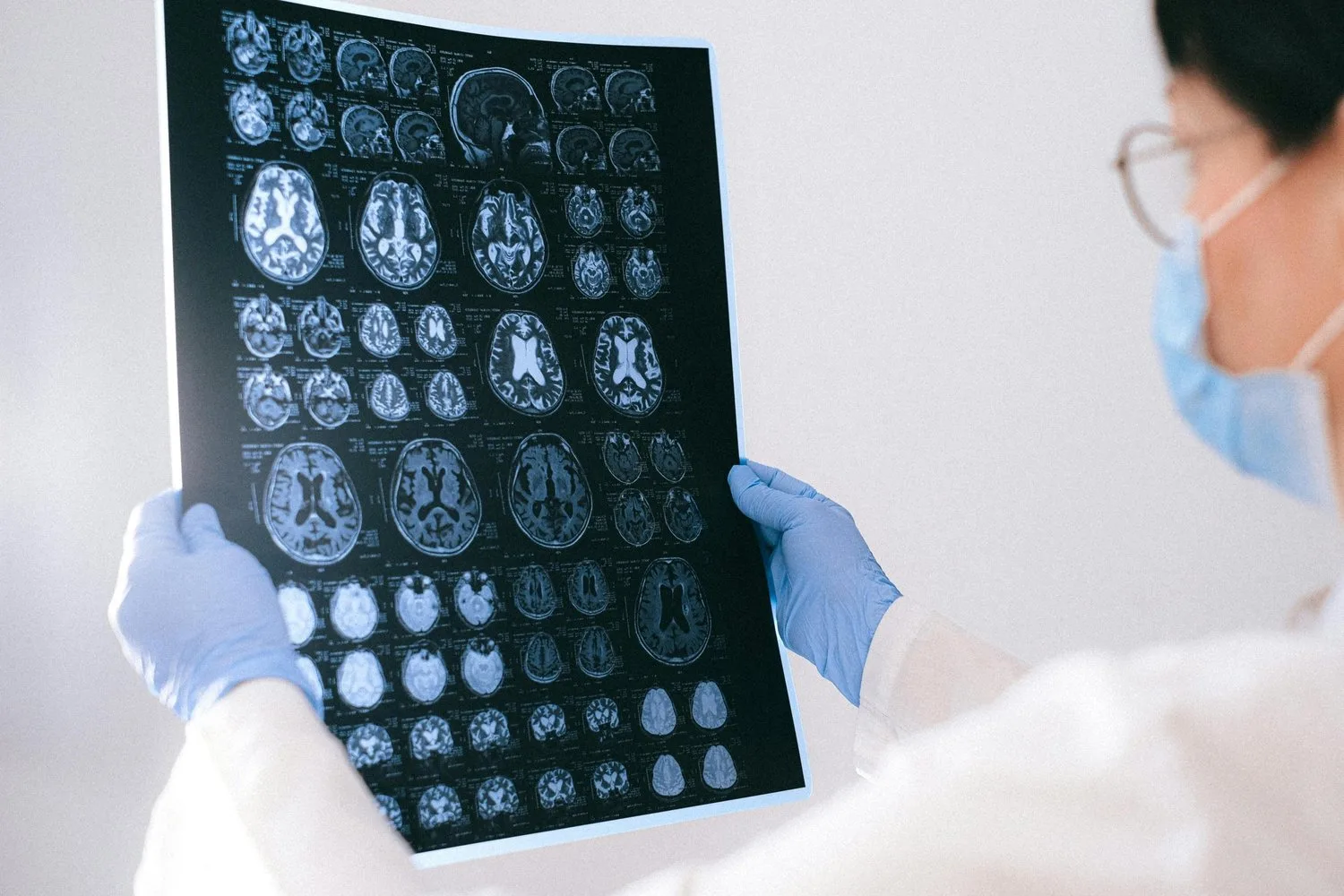
Have you ever wondered what actually happens in your brain during therapy? When parents bring their children to counseling, or when families sit together in a therapy room, something remarkable occurs beneath the surface: your brain begins to reorganize itself, creating new pathways and connections that support healing throughout the entire family system.
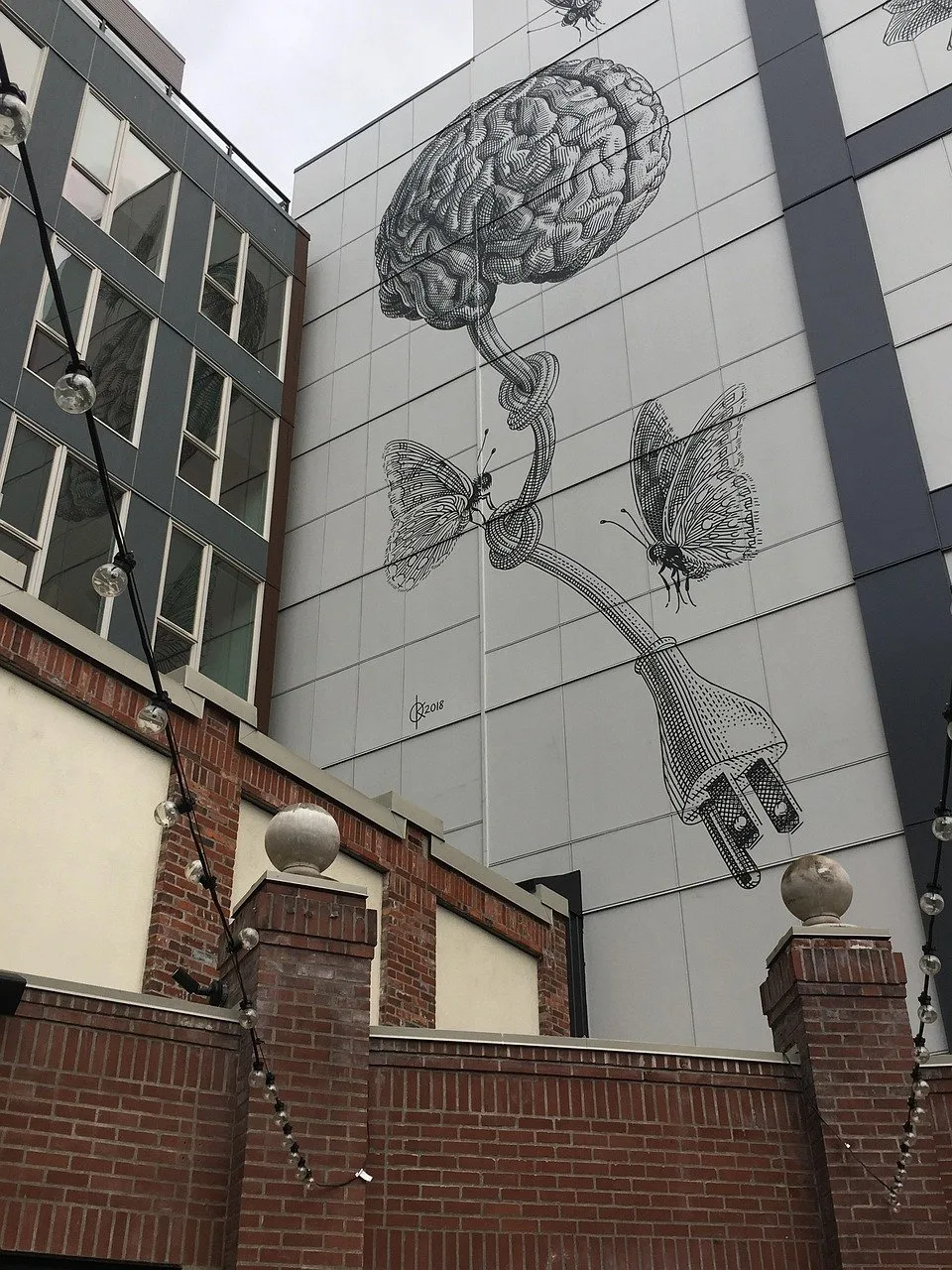
Just as the butterfly (nabi in Korean) emerges with newly formed wings, your brain has an extraordinary capacity to reshape itself through the therapeutic process. This isn't just metaphorical, it's grounded in neuroscience. When one family member experiences these brain changes, the ripple effects touch everyone in the family, because our brains are constantly responding to the emotional environment around us.
The Brain's Beautiful Ability to Heal
For decades, scientists believed that the adult brain was relatively fixed and unchangeable. But groundbreaking research has revealed something extraordinary about our brains, at any age, they possess remarkable plasticity. This means your brain can form new neural connections, strengthen existing pathways, and even reorganize its structure in response to experiences like therapy.
This capacity for change, called neuroplasticity, is especially powerful in children's developing brains, but it continues throughout our lives. When parents engage in therapy and begin healing their own patterns, their children's brains respond to these shifts in the family environment. The science confirms what therapists have long observed in practice, healing within a family system creates waves of change that benefit everyone.
What Happens in Your Brain During Therapy
During a therapy session, several fascinating processes unfold in your brain simultaneously, each contributing to lasting healing and growth for you and your family.
Your Prefrontal Cortex Becomes More Active
When you talk about difficult experiences or emotions in a safe, supportive space, your brain begins processing these experiences in new ways. The prefrontal cortex, the part of your brain responsible for executive function and emotional regulation, becomes more active and integrated with other brain regions.
Children Build Neural Pathways for Emotional Intelligence
For children especially, this integration is crucial for healthy development. When kids learn to identify and express their emotions in family therapy or child therapy, they're literally building neural pathways that support emotional intelligence throughout their lives.
New Mental Trails Replace Old Patterns
Think of neural pathways like trails through a forest; the more frequently you walk a particular path, the clearer and more defined it becomes. In therapy, you're creating new pathways for healthier thoughts, emotions, and behaviors while allowing old, unhelpful patterns to fade.
Family Systems Create Collective Neural Changes
When families practice new communication patterns together, every family member's brain begins forming these healthier trails. These aren't just skills they're learning intellectually, they're creating actual structural changes in their brains that support lasting connection and wellbeing.
How Family Therapy Reshapes Developing Brains
The developing brains of children and teens are especially responsive to their environment. This responsiveness means that difficulties at home can impact brain development, but it also means that positive changes through therapy can have profound effects.
When parents learn new ways of responding to their children through parent coaching or parent-child therapy, they're not just improving behavior in the moment. They're helping their children's brains develop stronger circuits for stress regulation, emotional processing, and secure attachment. These changes become the foundation for mental health throughout a child's life.
Research shows that children whose parents engage in therapy show measurable improvements in brain function related to emotional regulation and stress response. This isn't because children are being "fixed," it's because the entire family system is healing together. When caregivers provide a calmer, more attuned presence, children's nervous systems settle, allowing their brains to develop optimal connections for well-being.
One of the most significant changes therapy creates involves the brain's stress response system. When we experience ongoing stress or trauma, the amygdala (our brain's alarm system) can become hyperactive, triggering fight-or-flight responses even when we're not in danger. This is especially true for individuals who've experienced trauma or those dealing with anxiety.
Through therapy approaches like EMDR, cognitive behavioral therapy, and somatic work, the brain learns to distinguish between past threats and present safety. The amygdala becomes less reactive while the prefrontal cortex strengthens its ability to assess situations accurately and respond thoughtfully rather than reactively. For families, this means fewer explosive conflicts, better communication, and more moments of genuine connection.
When teens learn to regulate their stress responses through therapy, they're not just managing current challenges; they're establishing neural patterns that will serve them throughout adulthood. The teenage brain is uniquely primed for this kind of learning, making adolescence an especially important window for therapeutic intervention.
Creating Lasting Change Through Connection
Perhaps the most beautiful aspect of how therapy changes the brain involves the role of human connection, and understanding this process can help families embrace the healing journey together.
1. Safe Therapeutic Relationships Rewire Expectations
Our brains are fundamentally social organs, shaped profoundly by our relationships. In the therapeutic relationship, clients experience consistent attunement, safety, and support, often in ways they may not have experienced before, which activates the brain's social engagement system and helps regulate the nervous system.
2. Repeated Positive Experiences Create Structural Changes
Over time, these repeated experiences of safe connection actually rewire the brain's expectations about relationships. This is why therapy doesn't just help with specific symptoms; it fundamentally shifts how we relate to ourselves and others.
3. Parents' Healing Naturally Shifts Family Dynamics
For families, this means that as parents heal their own relational patterns through individual therapy or couples therapy, they naturally begin relating differently to their children.
4. Children's Brains Respond to New Relational Environments
Their kids' brains then respond to this new relational environment, creating a cascade of positive changes throughout the family system. When one person heals, the whole family does.
Building Emotional Regulation Across Generations
Many families who come to therapy are dealing with patterns that have been passed down through generations. These patterns aren't just learned behaviors, they reflect neural pathways formed in response to family environments. The hopeful news is that therapy can interrupt these patterns, allowing each generation to develop healthier brain circuits.
When parents work to regulate their own emotions more effectively, their children's brains literally learn regulation by observing and interacting with their caregivers. Mirror neurons, specialized brain cells that activate both when we perform an action and when we observe someone else performing it, help explain how children absorb emotional regulation skills from their parents. Through therapy, parents can develop the capacity to model the emotional balance their children's brains are learning to create.
The Butterfly Effect of Brain Change
Like the butterfly that emerges gradually through metamorphosis, brain changes through therapy unfold over time. Early changes might include improved sleep, reduced anxiety symptoms, or better emotional awareness. As therapy continues, deeper structural changes develop, supporting lasting improvements in mood, relationships, and overall functioning.
These changes aren't always linear, healing rarely is. Some sessions might feel like breakthroughs while others feel like maintenance. But research using brain imaging has shown that consistent therapy creates measurable changes in brain structure and function, changes that persist long after therapy ends.
For families working together toward healing, these brain changes create momentum. As one family member develops better emotional regulation, others benefit from the calmer family environment. As parents learn to respond with more patience, children's stress systems settle. As children feel more secure, parents experience less stress. This is the butterfly effect of healing, small positive changes in the brain creating ripples of wellbeing throughout the entire family.
Whether your family is navigating challenges with a child's behavior, healing from past pain, strengthening relationships, or simply seeking to grow together, therapy offers a scientifically supported path toward lasting change. Your brain's capacity for healing and growth never stops, and neither does your family's potential to create deeper connection and belonging.
Conclusion
At Nabi Family Therapy, we understand that healing one part of the family creates waves of change for all. Our culturally responsive, trauma-informed therapists work with families, children, teens, parents, and couples to support brain health and emotional well-being throughout the family system. Contact us today to learn more about how therapy can support your family's growth and connection.
At Nabi Family Therapy, we believe that when one person heals, the ripple effects strengthen the whole family. Every family deserves a safe place to grow, connect, and belong together. Get in touch with us today to learn more.

Ready to take the next step together?
Our care team reads every inquiry and can help you find the right fit.