
Manhattan Beach
Asian American Family Therapy in Manhattan Beach, CA
Bridge Generational Gaps And Heal Cultural Identity Conflicts With Culturally-Informed Care
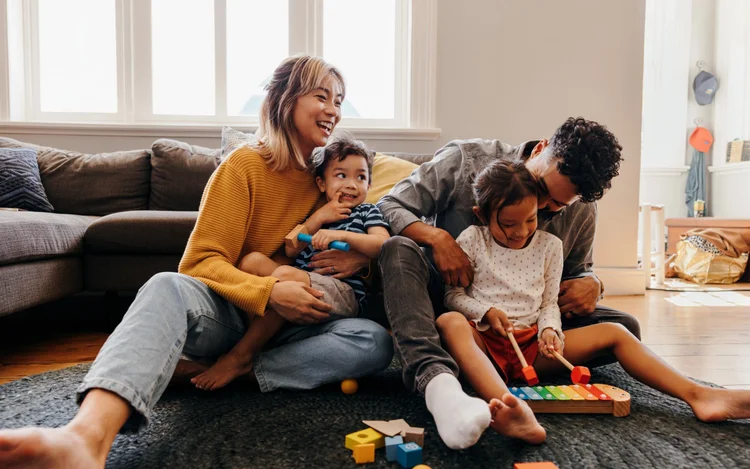
Growing up between two worlds, honoring your family's heritage while navigating American culture, creates unique challenges that many therapists simply don't understand.
Asian American families in Manhattan Beach face complex dynamics: parents carrying generational trauma from immigration experiences, teens struggling with cultural identity, and entire families caught between traditional expectations and modern realities.
At Nabi Family Therapy, our bilingual, bicultural therapists intimately understand these struggles because we've lived them ourselves. We recognize that mental health stigma, family loyalty conflicts, and the pressure to succeed while maintaining cultural values create a perfect storm of stress that traditional therapy approaches often miss. Our culturally-informed approach doesn't just treat symptoms; it honors your heritage while creating space for authentic expression and healing.
Located in the heart of Manhattan Beach's diverse South Bay community, we provide a sanctuary where every family member can explore their identity, process intergenerational patterns, and strengthen family bonds without abandoning their cultural roots. Here, your family's complexity isn't a problem to solve; it's a strength to celebrate and integrate.
Asian American family therapy at Nabi Family Therapy addresses the unique psychological and cultural challenges facing families navigating bicultural identities.
Our specialized approach recognizes that traditional Western therapy models often overlook the intricate dynamics of collectivist family structures, filial piety expectations, and the psychological impact of immigration experiences across generations.
Our bilingual therapists create a therapeutic environment where family members can express themselves authentically in their preferred language, whether that's English, Korean, or a mixture of both. We understand that some emotions and cultural concepts simply don't translate, and we honor the full spectrum of your family's communication styles. This linguistic flexibility allows deeper processing of experiences that might otherwise remain unexpressed or misunderstood in traditional therapy settings.
The therapeutic process begins with understanding your family's unique migration story, generational patterns, and cultural values. We explore how factors like model minority pressure, intergenerational trauma, and acculturation stress manifest in daily family interactions. Rather than pathologizing cultural differences, we help families identify which traditions serve them and which patterns may need gentle transformation.
Our Manhattan Beach location serves families throughout the South Bay who are seeking therapists who truly understand the Asian American experience. We work with families dealing with academic pressure, parent-child conflicts over dating and career choices, grief over cultural loss, and the complex task of raising bicultural children who feel confident in both their heritage and American identities. Through culturally-informed interventions, families learn to communicate across generational and cultural divides while strengthening their bonds and individual identities.
Find Your Family's Place to Belong
Key Benefits
- Heal Intergenerational Trauma with Cultural Understanding Trauma doesn't just affect individuals; it ripples through generations, particularly in immigrant families where survival often meant suppressing emotions and focusing solely on achievement. Many Asian American families in Manhattan Beach carry the weight of their ancestors' struggles: war, poverty, discrimination, and the immense sacrifice of leaving everything behind for their children's future. These experiences, while creating resilience, can also manifest as anxiety, perfectionism, emotional disconnect, and rigid family roles that no longer serve current generations. Our therapists understand how historical trauma intersects with current family dynamics. We help families recognize how past survival strategies, like emotional suppression, hyper-focus on academic success, or distrust of outsiders, may be creating distance or conflict in today's context. Through gentle exploration and culturally-informed interventions, families learn to honor their ancestors' sacrifices while releasing patterns that cause current suffering. This process often involves helping parents understand how their own unprocessed experiences affect their parenting, while supporting younger generations in developing compassion for their elders' struggles. The South Bay's high-achieving environment can intensify these generational patterns, with families feeling pressure to maintain perfect appearances while struggling internally. We provide a safe space where families can acknowledge both their strength and their pain, creating new legacies of emotional openness and authentic connection.
- Navigate Identity Conflicts with Bicultural Expertise The question "Where do I belong?" haunts many Asian American family members who feel too American for their traditional relatives and too Asian for their American peers. This identity confusion affects entire family systems, creating conflicts over dating choices, career paths, religious practices, and even daily decisions like what language to speak at home. Parents may worry their children are losing their cultural identity, while teens and young adults struggle to integrate both sides of themselves authentically. Our bicultural therapists have walked this path personally and professionally. We understand that identity isn't about choosing one culture over another; it's about creating a unique blend that honors all parts of yourself. We help families move beyond either-or thinking to embrace both-and possibilities. This might involve helping parents understand that their children can be successful Americans while maintaining Korean values, or supporting teens in finding ways to respect family expectations while pursuing their individual dreams. Manhattan Beach's diverse but predominantly Western environment often intensifies these identity struggles. We work with families to develop strategies for navigating different cultural contexts while maintaining internal coherence. Family members learn to communicate their identity needs clearly, develop cultural code-switching skills, and create family traditions that blend both cultures meaningfully.
- Bridge Communication Gaps Across Generations Asian American families often struggle with communication patterns rooted in hierarchical respect, indirect expression, and conflict avoidance, styles that can create misunderstandings in an American context that values direct communication and individual expression. Parents may interpret their children's American communication style as disrespectful, while younger family members feel unheard or misunderstood. These patterns can lead to explosive conflicts or, conversely, emotional distance and family members shutting down entirely. We specialize in helping families develop new communication bridges that honor traditional respect while creating space for authentic expression. This involves teaching family members to recognize different communication styles, express needs clearly across cultural frameworks, and navigate conflicts in ways that strengthen rather than damage relationships. Parents learn to understand their children's need for direct dialogue, while younger generations develop skills for expressing themselves respectfully within a cultural context. Our work often involves creating new family rituals and communication practices that feel authentic to everyone involved. This might include structured family meetings that blend Korean concepts of respect with American-style sharing, or developing code words and signals that help family members navigate difficult conversations. The goal isn't to abandon cultural communication styles, but to expand the family's repertoire so everyone feels heard and valued.
- Transform Academic and Achievement Pressure into Healthy Success The model minority myth creates crushing pressure for Asian American families, where children's achievements become markers of family worth and parental success. In Manhattan Beach's already competitive academic environment, this pressure can intensify to dangerous levels, leading to anxiety, depression, perfectionism, and family conflicts over grades, extracurricular activities, and career choices. Parents, often driven by their own experiences of having to work twice as hard for recognition, may unknowingly transfer their survival fears onto their children. We help families redefine success in ways that honor both achievement and well-being. This process involves helping parents understand how their own experiences with discrimination and economic insecurity may be driving their expectations, while supporting children in developing intrinsic motivation and resilience. We work with families to create new definitions of success that include emotional health, authentic relationships, and cultural pride alongside academic and professional achievement. Our approach doesn't dismiss the importance of achievement; we understand that excellence often provides crucial opportunities and protection for minority families. Instead, we help families find sustainable approaches to success that don't sacrifice mental health or family relationships. This often involves helping parents learn to praise effort over outcomes, supporting children in developing interests beyond academics, and creating family cultures that celebrate diverse forms of accomplishment.
- Strengthen Family Bonds While Honoring Individual Growth Traditional Asian family structures emphasize collective well-being and family loyalty, which can sometimes conflict with American values of individual autonomy and self-expression. Asian American families often struggle to balance these competing values, leading to conflicts over everything from career choices to marriage decisions. Parents may fear that supporting their children's independence means losing family closeness, while younger generations may worry that pursuing individual goals means betraying family expectations. We help families discover that individual growth and family connection aren't mutually exclusive; they can actually strengthen each other when approached thoughtfully. Through family therapy, members learn to support each other's individual development while maintaining strong family bonds. This might involve helping parents understand that supporting their child's unique interests actually demonstrates deep love, or helping adult children find ways to pursue individual goals while staying connected to family values. Our work often focuses on creating new family traditions and practices that celebrate both individual achievements and collective identity. We help families develop skills for navigating major life transitions, like college choices, career changes, or relationship decisions, in ways that honor both personal authenticity and family wisdom. The goal is to create families that serve as launching pads for individual success while remaining sources of support and belonging throughout life.
- Address Mental Health Stigma with Cultural Sensitivity Mental health stigma runs deep in many Asian cultures, where psychological struggles are often viewed as personal weakness, family shame, or lack of gratitude for parental sacrifices. This stigma can prevent families from seeking help even when they're clearly struggling, leading to untreated anxiety, depression, and relationship problems that compound over time. In Manhattan Beach's image-conscious environment, the pressure to maintain perfect family appearances can intensify this reluctance to address mental health needs openly. We understand that seeking therapy represents a significant step for many Asian American families, and we honor the courage it takes to prioritize mental health despite cultural reservations. Our approach normalizes therapy as a form of family strengthening rather than crisis intervention. We help families understand that addressing mental health proactively demonstrates wisdom and care for future generations, not weakness or failure. Our culturally-sensitive approach includes understanding how concepts like "saving face," family reputation, and collective responsibility influence mental health decisions. We work with families to reframe therapy as an investment in family legacy and success rather than an admission of problems. This often involves helping parents understand that supporting family members' mental health actually fulfills traditional values of caring for family wellbeing and ensuring generational prosperity.
Our Services
✔ Family Therapy
Comprehensive family therapy addressing intergenerational conflicts, cultural identity struggles, and communication barriers unique to Asian American families. Our approach honors traditional family structures while creating space for individual expression and growth. We work with families dealing with academic pressure, cultural assimilation conflicts, and the complex dynamics of maintaining heritage in an American context. Sessions can be conducted in English, Korean, or both languages as needed.
✔ Intergenerational Trauma Therapy
Our specialized anxiety treatment addresses the specific ways academic stress manifests in students' lives. From test anxiety and performance fears to social anxiety around academic competition, we use evidence-based approaches to help students understand and manage their anxiety responses while maintaining their motivation for academic achievement.
✔ Individual Therapy for Teens & Adults
Specialized individual therapy for Asian American teens and adults navigating bicultural identity, family expectations, and personal authenticity. We address issues like model minority pressure, intergenerational trauma, career and relationship conflicts with family values, and the unique psychological challenges of living between cultures. Our culturally-informed approach helps clients integrate their multiple identities while maintaining family connections.
✔ Parent Coaching
Specialized coaching for Asian American parents balancing traditional values with American parenting approaches. We help parents navigate their children's cultural identity development, manage academic pressure healthily, and communicate effectively across generational and cultural differences. Our approach honors parents' cultural wisdom while providing tools for supporting children's mental health and individual development in an American context.
Our Process
- 1
1. Initial Assessment & Family Mapping
We begin with a comprehensive understanding of your family's unique cultural background, migration story, and current challenges. This involves exploring your family's values, traditions, communication patterns, and the specific cultural conflicts you're experiencing. We create a visual family map that honors your heritage while identifying areas for growth and healing. This process helps us understand your family's cultural context deeply.
- 2
2. Establishing Safety & Cultural Validation
Creating psychological safety is crucial for families overcoming mental health stigma and cultural shame. We work to establish our therapy space as a place where all aspects of your identity are welcomed and celebrated. Family members learn that their cultural values and individual needs can coexist. We address any concerns about therapy conflicting with cultural values and help frame the therapeutic process as family strengthening rather than problem-fixing.
- 3
3. Developing Cultural Integration Skills
We work together to develop practical skills for navigating bicultural challenges in daily life. This includes communication strategies that bridge generational differences, conflict resolution approaches that honor cultural respect while allowing authentic expression, and identity integration techniques that help family members feel whole in all contexts. These skills are practiced in session and refined through homework and real-life application.
- 4
4. Creating New Family Patterns & Traditions
The final phase involves establishing new family patterns that honor your cultural heritage while supporting everyone's growth and well-being. We help families create new traditions, communication rituals, and decision-making processes that feel authentic and sustainable. This might include new ways of celebrating achievements, handling conflicts, or making major life decisions that integrate both cultural wisdom and individual needs.
Our Approach
Our therapeutic approach is grounded in the understanding that Asian American families exist in a unique psychological space that requires specialized cultural competency.
We integrate evidence-based therapeutic modalities with deep cultural understanding, recognizing that effective treatment must honor both your family's heritage and your current American context.
Our founders, Linda Yoon and Soo Jin Lee, bring personal experience as children of immigrants alongside professional training in EMDR, Gottman Method, and trauma-informed care.
We utilize a strengths-based perspective that views your cultural background as a resource rather than a barrier to healing. This means understanding concepts like filial piety, collective identity, and intergenerational loyalty as valuable family assets that can be leveraged for healing rather than obstacles to overcome. Our bilingual capabilities ensure that emotional processing can happen in whatever language feels most authentic, recognizing that some experiences simply cannot be translated across linguistic boundaries.
Our Manhattan Beach location provides a culturally-informed sanctuary within the South Bay's diverse but often Western-dominated environment. We understand the specific pressures facing Asian American families in this high-achieving coastal community, from academic competition to social integration challenges. Our therapeutic space incorporates elements that honor Asian aesthetics while maintaining professional Western therapeutic standards, creating an environment where all aspects of your identity feel welcome.
The butterfly, nabi in Korean, serves as our guiding metaphor because transformation in Asian American families requires the same patience, timing, and respect for natural processes as metamorphosis. We don't rush families toward Western ideals of quick change, but rather support the gradual integration of cultural heritage with personal growth, creating family systems that are both deeply rooted and capable of beautiful flight.
Nabi Family Therapy was founded by licensed therapists Linda Yoon and Soo Jin Lee to address the unique mental health needs of Asian American families in the South Bay. Our bilingual, bicultural expertise and specialized training in trauma-informed care make us uniquely qualified to serve Manhattan Beach's diverse Asian American community with culturally competent family therapy services. Learn More
Questions
Frequently asked questions
How is Asian American family therapy different from traditional family therapy?+
Asian American family therapy incorporates a deep understanding of cultural values, communication styles, and intergenerational dynamics specific to Asian families. We understand concepts like saving face, filial piety, and collective identity, and we work within these frameworks rather than against them. Our bilingual capabilities and cultural competency ensure that therapy feels relevant and respectful to your family's heritage while addressing current challenges effectively.
Do you provide services in languages other than English?+
Yes, one of our founders, Soo Jin Lee, is fluent in Korean and English, and we can conduct sessions in either language or a combination of both. We understand that some emotions and cultural concepts are better expressed in one's native language, and we encourage families to communicate in whatever way feels most authentic and comfortable during our sessions.
How do you address mental health stigma within Asian families?+
We approach mental health stigma with deep cultural sensitivity, understanding that seeking therapy represents a significant step for many Asian American families. We reframe therapy as family strengthening and investment in generational well-being rather than crisis intervention. We help families understand that prioritizing mental health actually fulfills traditional values of caring for family prosperity and ensuring success for future generations.
What specific issues do you help Asian American families address?+
We specialize in intergenerational conflicts, cultural identity struggles, academic and achievement pressure, communication barriers between generations, dating and marriage conflicts, career choice disputes, and the psychological impact of immigration experiences. We also address mental health concerns like anxiety and depression within a cultural context, helping families understand how cultural factors may influence these experiences.
How long does Asian American family therapy typically take?+
Treatment length varies depending on each family's specific needs and goals. Some families see improvement in communication and understanding within 8-12 sessions, while deeper intergenerational trauma work may take 6-12 months or longer. We work collaboratively with families to establish goals and timelines that respect both the complexity of cultural integration and practical family needs.

EVERYONE DESERVES TO FEEL THEY BELONG
Begin Your Family's Healing Journey
Find your place to belong in Manhattan Beach.