
Manhattan Beach
Grief & Loss Therapy in Manhattan Beach, CA
Honor your cultural traditions while healing from loss together
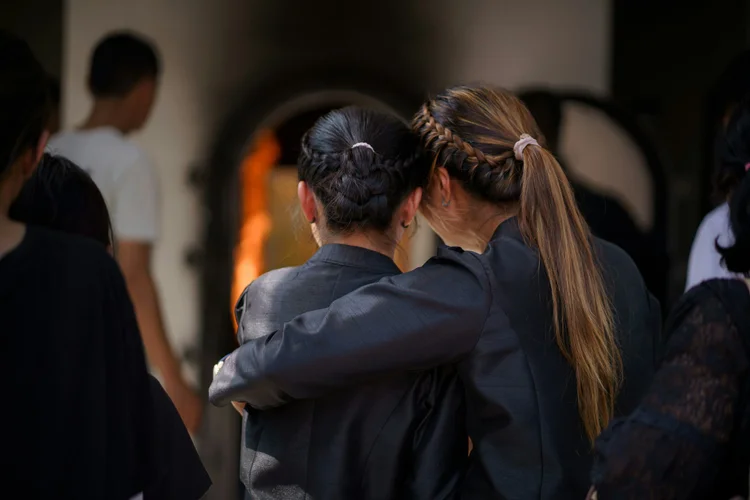
Visual Suggestions: Hero image showing diverse family members in a gentle embrace, with soft natural lighting. Include subtle cultural elements like flowers or memorial items.
You're grieving not just your loved one, but also the distance from cultural rituals that bring comfort, the inability to be present during final moments, and the challenge of honoring traditions in a place that doesn't understand them.
At Nabi Family Therapy in Manhattan Beach, we understand that grief looks different for immigrant families. Our culturally-informed approach honors your heritage while providing the support your family needs to heal together. We recognize that your mourning practices, ancestor veneration, and family obligations are not obstacles to overcome; they're sacred parts of your healing journey.
Located in the heart of the South Bay, we serve Manhattan Beach families who need more than generic grief counseling. We offer a space where your cultural identity is celebrated, your traditions are honored, and your family's unique path through grief is respected and supported.
Grief and loss therapy at Nabi Family Therapy addresses the complex layers of mourning that immigrant families face.
Our approach recognizes that your grief extends beyond the immediate loss to include cultural displacement, family separation, and the weight of carrying traditions forward in a new land.
Our therapy process begins by creating a safe space where every family member can express their grief in culturally appropriate ways. We work with families to identify and honor their specific mourning rituals, whether that involves ancestor veneration, specific memorial practices, or ways of continuing bonds with deceased loved ones that align with cultural values.
We address the unique challenges immigrant families face: guilt over missing funerals due to distance or documentation status, feeling isolated from extended family support systems, and struggling to maintain cultural death rituals in environments that don't accommodate them. Our therapists understand how transnational grief affects entire family systems, creating ripple effects across generations.
Through individual, family, and group sessions, we help families navigate the intersection of cultural identity and loss. We provide tools for processing complex emotions while maintaining cultural authenticity, support for creating meaningful memorial practices in your current environment, and guidance for helping children understand death through cultural lenses. Our goal is to help your family heal while staying connected to the traditions that provide comfort and meaning.
Process Your Loss With Cultural Understanding
Key Benefits
- Honor Sacred Traditions While You Heal Your cultural mourning practices aren't barriers to healing; they're pathways to it. At Nabi Family Therapy, we integrate your traditional approaches to death and mourning into the therapeutic process. Whether your culture emphasizes ancestor veneration, specific ritual timelines, or community mourning practices, we work with these traditions rather than around them. Our Manhattan Beach location serves families who need therapists who understand that healing happens differently across cultures, and that honoring your heritage is essential to processing loss authentically.
- Navigate Transnational Grief With Expert Support The pain of losing someone when you're separated by oceans and borders creates a unique form of grief that traditional counseling often doesn't address. We specialize in helping immigrant families process the complex emotions that arise from being unable to attend funerals, missing final moments, or being cut off from extended family support systems. Our approach acknowledges the guilt, regret, and isolation that distance creates, while providing practical tools for creating meaningful connections and closure despite physical separation.
- Strengthen Family Bonds Through Shared Mourning Grief affects each family member differently, and cultural expectations can complicate how emotions are expressed and processed. We provide family therapy that honors hierarchical structures and role expectations while creating space for individual grief experiences. Our sessions help families navigate generational differences in grief expression, support parents in explaining death to children through cultural frameworks, and strengthen family unity during vulnerable times. We understand how loss can either divide or unite families, and we're committed to fostering healing connections.
- Create New Rituals When Old Ones Aren't Accessible When traditional mourning practices can't be fully observed due to location, resources, or circumstances, we help families create meaningful adaptations that honor their loved ones authentically. This might involve developing home-based memorial practices, finding culturally appropriate ways to mark important death anniversaries, or creating ritual spaces that connect you to your heritage. We work with families to identify what aspects of traditional practices are most meaningful and help adapt them to your current environment while maintaining their spiritual and emotional significance.
- Address Cultural Stigma Around Mental Health During Grief Many immigrant communities carry beliefs about grief that can prevent families from seeking support when they need it most. We provide education and gentle guidance around how therapy can complement, not replace, cultural and spiritual approaches to mourning. Our therapists understand the importance of family reputation, religious considerations, and community expectations, and work sensitively to provide support that feels appropriate and respectful of your cultural context. We help families access healing while maintaining their standing and beliefs within their communities.
- Support Children and Teens Through Cultural Grief Understanding Young people in immigrant families face unique challenges when processing death, often caught between cultural expectations and peer influences that don't understand their experiences. We provide specialized support for children and teenagers, helping them understand death through their cultural lens while developing healthy coping skills. Our approach includes helping young people maintain a connection to deceased loved ones in culturally appropriate ways, navigate different expressions of grief across home and school environments, and develop cultural pride even during difficult times.
Our Services
✔ Individual Grief Therapy
One-on-one support for processing personal loss while honoring cultural identity. We address complicated grief, survivor's guilt, and the isolation that can accompany transnational loss. Sessions focus on integrating cultural coping mechanisms with therapeutic healing approaches, helping you navigate grief in ways that feel authentic to your background and values.
✔ Family Grief Counseling
Whole-family support that recognizes how loss affects family systems differently across cultures. We work with families to navigate generational differences in grief expression, maintain cultural practices that bring comfort, and strengthen family bonds during vulnerable times. Our approach honors hierarchical family structures while ensuring every voice is heard.
✔ Child and Teen Bereavement Support
Specialized support for young people processing death through cultural frameworks. We help children understand loss using culturally appropriate concepts while developing healthy coping skills. Our approach includes creative therapies that honor cultural storytelling traditions and help young people maintain connection to deceased loved ones.
Our Process
- 1
1. Initial Cultural Assessment
We begin by understanding your family's specific cultural background, mourning traditions, and current grief challenges. This 90-minute session explores your loss experience, cultural practices that bring comfort, and any barriers you're facing in accessing traditional support systems. We assess each family member's needs and create a treatment plan that honors your heritage while addressing therapeutic goals.
- 2
2. Integrated Healing Sessions
Weekly individual, family, or combined sessions that blend therapeutic techniques with cultural approaches to grief. We incorporate your traditional understanding of death, afterlife, and mourning while using evidence-based therapy methods. Sessions might include ritual work, ancestor honoring practices, or creating adapted memorial traditions that fit your current circumstances while maintaining cultural authenticity.
- 3
3. Cultural Ritual Integration
We work with your family to identify, adapt, or create mourning practices that honor your loved one while being accessible in your current environment. This might involve creating home altars, developing anniversary observances, or finding community connections that support your cultural practices. We help bridge the gap between traditional practices and current limitations.
- 4
4. Ongoing Support and Community Connection
As healing progresses, we focus on building long-term coping strategies and connecting you with culturally appropriate community resources. We provide guidance for navigating future grief challenges, maintaining cultural practices, and finding ongoing support within the immigrant community.
Our Approach
Our approach to grief therapy recognizes that healing from loss in immigrant families requires more than addressing individual pain, it requires understanding the complex web of cultural identity, family obligation, and community connection that shapes how grief is experienced and expressed.
We integrate traditional therapeutic methods with deep respect for cultural mourning practices, creating a therapeutic space where your heritage is honored rather than overlooked.
Our therapists understand concepts like ancestral connection, filial piety, and community mourning that may be foreign to mainstream therapy but essential to your healing process. We work within your cultural framework rather than imposing Western concepts of grief processing.
Our Manhattan Beach practice serves the diverse South Bay community, where many immigrant families struggle to maintain cultural practices while navigating American systems of support. We recognize that grief in immigrant communities often includes layers of loss beyond the immediate death, loss of homeland connection, inability to fulfill cultural obligations, and isolation from extended family support systems.
We believe that healing happens when cultural identity is strengthened, not abandoned. Our sessions focus on helping families maintain their authentic selves while developing resilience and connection in their current environment, ensuring that cultural heritage becomes a source of strength during the most difficult times.
Nabi Family Therapy was founded by Linda Yoon and Soo Jin Lee to serve Manhattan Beach's diverse immigrant families with culturally-informed mental health support. Our practice specializes in honoring cultural heritage while providing evidence-based therapeutic healing for families navigating loss and grief. Learn More
Questions
Frequently asked questions
How do you incorporate cultural mourning practices into therapy sessions?+
We begin each treatment by learning about your specific cultural background and mourning traditions. Our sessions can include ritual work, ancestor honoring practices, and discussions about afterlife beliefs as they relate to healing. We adapt therapeutic techniques to work within your cultural framework rather than replacing cultural practices with Western approaches.
Can therapy help if we couldn't attend our loved one's funeral due to travel restrictions?+
Yes, we specialize in helping families process the complex grief that comes from being unable to participate in traditional funeral rites. We work with families to create meaningful closure rituals, process guilt and regret, and find ways to honor their loved one from a distance while maintaining cultural authenticity.
Do you provide services in languages other than English?+
Our co-director Soo Jin Lee provides therapy services in both Korean and English. We understand that processing grief often requires the comfort of your native language, especially when discussing cultural concepts that don't translate directly.
How do you address mental health stigma within our cultural community?+
We work sensitively with families to provide support that feels appropriate to their cultural context. This includes education about how therapy can complement spiritual and cultural approaches to healing, respect for family privacy concerns, and guidance for maintaining community standing while accessing needed support.
Can you help our children understand death through our cultural beliefs?+
Absolutely. We provide specialized support for children and teens that incorporates cultural understanding of death, the afterlife, and ancestor connection. Our approach helps young people maintain cultural identity while developing healthy coping skills appropriate for their developmental stage.

EVERYONE DESERVES TO FEEL THEY BELONG
Begin Healing With Cultural Understanding
Honor your traditions while finding peace together