
NABI FAMILY THERAPY
Death Doula Support in Manhattan Beach, CA
Navigate life's final transition with culturally sensitive guidance and family support
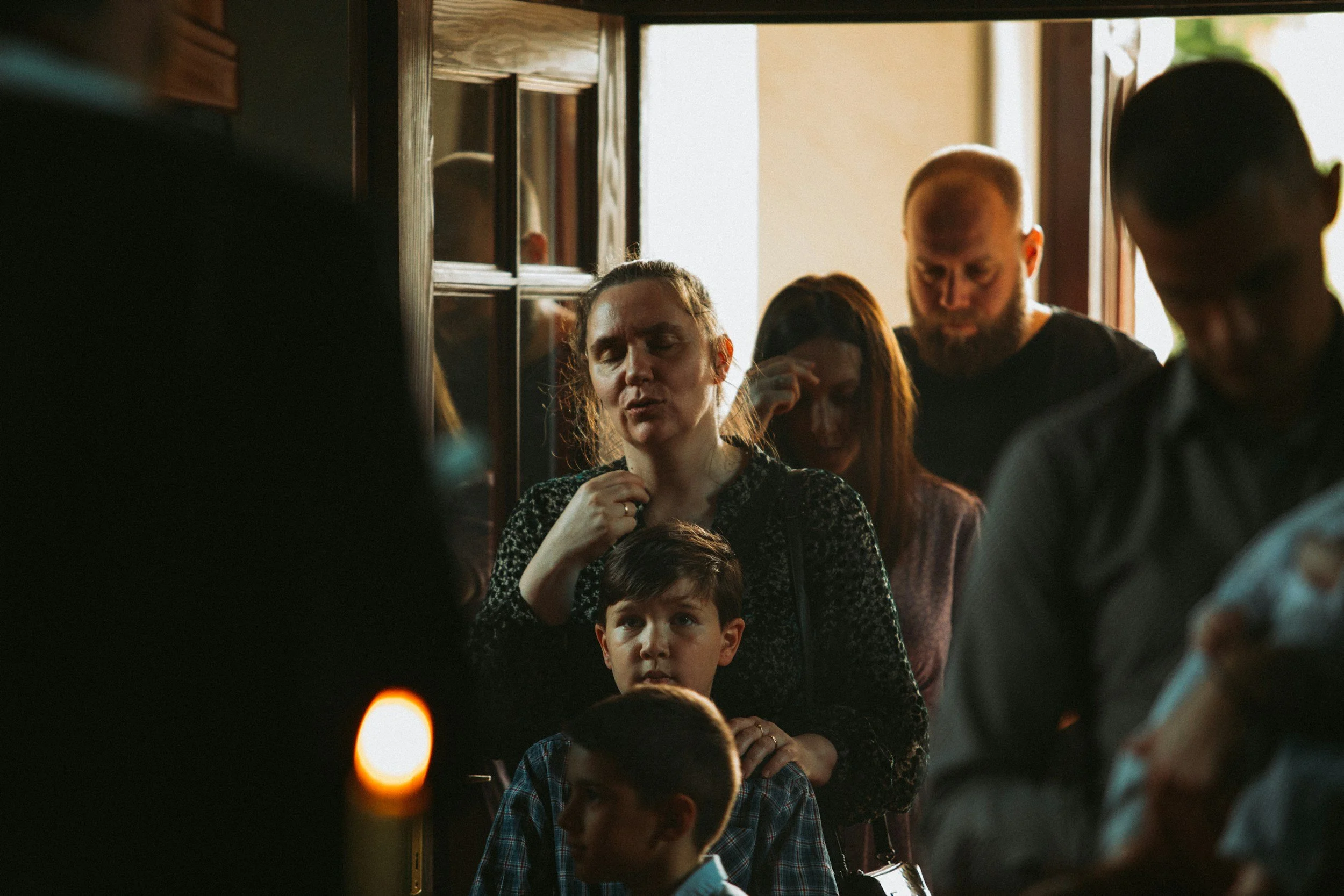
When your family faces a terminal diagnosis or end-of-life decisions, the weight of cultural expectations, family conflicts, and grief can feel overwhelming.
You're navigating impossible choices about care, trying to honor both medical realities and cultural beliefs about death, while managing your own anticipatory grief and supporting other family members through theirs.
At Nabi Family Therapy, we understand that death and dying are deeply personal experiences shaped by your cultural heritage, family dynamics, and individual beliefs. Our culturally sensitive approach honors your family's values while providing practical support for advance directives, DNR decisions, and the complex emotions that arise during life's final transition.
Located in Manhattan Beach, we serve South Bay families who need compassionate guidance through end-of-life planning, family communication challenges, and grief support. Like the butterfly transformation that symbolizes our practice, we believe that even in life's most difficult transitions, there can be moments of grace, healing, and deeper family connection.
End-of-life support, often called death doula services, provides comprehensive guidance for families navigating terminal illness, hospice decisions, and the dying process.
Unlike medical professionals who focus on clinical care, our therapeutic approach addresses the emotional, cultural, and relational aspects of life's final transition while helping families make informed decisions that align with their values.
Our process begins with understanding your family's unique cultural beliefs about death, existing conflicts about care decisions, and individual grief responses. We facilitate difficult conversations between family members, help navigate advance directive decisions, and provide support for both the dying person and their loved ones. This includes addressing cultural death rituals, legacy work, and the complex emotions that arise when facing loss.
Throughout this journey, we recognize that each family member may be at different stages of acceptance and grief. Our individual, family, and couples therapy services work together to create a comprehensive support system. We help families communicate their fears, hopes, and wishes while honoring cultural traditions that may influence end-of-life decisions.
The Manhattan Beach community's diverse cultural landscape means we regularly support families with varying beliefs about death, medical intervention, and mourning practices. Our bilingual capabilities and cultural competency ensure that language barriers and cultural misunderstandings don't prevent families from accessing the support they need during this critical time.
Begin Your Family's Healing Journey
Key Benefits
-
Death and dying carry profound cultural significance that can create both comfort and conflict within families. Your Korean, Asian, or immigrant background may include specific beliefs about medical intervention, family roles during dying, and appropriate mourning practices that don't always align with Western medical approaches or other family members' perspectives.
In Manhattan Beach's multicultural community, we regularly support families balancing traditional cultural expectations with modern medical realities. Whether you're struggling with decisions about life support, honoring ancestral traditions while accommodating family members with different beliefs, or finding ways to include cultural death rituals in a hospital setting, we provide culturally informed guidance.
Our understanding of generational differences within immigrant families helps address conflicts that often arise when older generations hold traditional views while younger family members advocate for different approaches. We create space for all perspectives while helping families find solutions that honor their heritage and individual needs.
-
Terminal illness often intensifies existing family dynamics and creates new sources of conflict about medical decisions, caregiving responsibilities, and financial planning. Siblings may disagree about treatment options, spouses might have different views on quality of life, and adult children often struggle with their parents' wishes that conflict with medical recommendations.
These conflicts become particularly complex in South Bay families where geographic proximity means multiple family members are involved in daily care decisions. Disagreements about DNR orders, hospice timing, home versus facility care, and medical intervention can fracture families at the very time when unity and support are most crucial.
Our family therapy approach helps identify the underlying concerns, fears, and values driving these conflicts. We facilitate structured conversations that move beyond surface disagreements to address deeper fears about loss, guilt, and responsibility. Through guided communication, families often discover that their fundamental goals are aligned even when their preferred approaches differ significantly.
-
The period before death offers unique opportunities for creating lasting memories, expressing previously unspoken feelings, and completing important relationship work. However, many families struggle to initiate these conversations or don't know how to create meaningful experiences within the constraints of illness and medical care.
Legacy work encompasses practical elements like recording family stories, organizing photographs, and documenting important memories, as well as emotional work like forgiveness conversations, expressing gratitude, and sharing life lessons. For Manhattan Beach families, this might include connecting with extended family across distances, honoring cultural storytelling traditions, or creating modern expressions of traditional legacy practices.
We guide families through structured approaches to legacy creation that match their comfort levels and cultural practices. This includes helping the dying person share their wisdom and memories, supporting family members in expressing their love and gratitude, and creating tangible keepsakes that will provide comfort long after their loved one is gone.
-
Advance directives, DNR orders, and end-of-life medical decisions require families to confront difficult realities while making choices that align with their loved one's values and wishes. The complexity of modern medical interventions, combined with cultural beliefs about death and dying, can make these decisions feel overwhelming and fraught with moral implications.
Manhattan Beach families often face additional complexity when medical facilities may not fully understand cultural preferences or when family members have different levels of comfort with Western medical approaches. Navigating healthcare systems while advocating for culturally appropriate care requires preparation, clear communication, and often persistent advocacy.
We help families understand their options, explore the dying person's values and preferences, and prepare for difficult conversations with medical teams. This includes role-playing challenging scenarios, developing clear communication strategies, and identifying potential conflicts before they arise in crisis situations. Our support helps families feel confident that their decisions reflect their loved one's true wishes rather than external pressure or fear-based choices.
-
Anticipatory grief begins the moment families receive a terminal diagnosis and continues through the dying process, creating a unique form of mourning that occurs while their loved one is still alive. This experience often includes guilt about grieving someone who isn't yet gone, confusion about how to remain hopeful while preparing for loss, and emotional exhaustion from the prolonged stress of watching someone die slowly.
Family members may experience anticipatory grief differently, with some feeling urgent about spending time together while others withdraw to protect themselves from pain. These different coping styles can create additional family tension and misunderstandings, particularly when cultural expectations about family roles and emotional expression add pressure to respond in specific ways.
Our grief counseling addresses both individual and family needs throughout this extended process. We help normalize the complex emotions that arise, provide coping strategies for managing ongoing stress, and support families in maintaining meaningful connections despite the shadow of impending loss. This includes preparing for the practical and emotional challenges that will continue after death occurs.
-
Cultural death rituals provide structure, meaning, and community support during life's most difficult transition, but adapting traditional practices to modern medical settings and diverse family circumstances often requires creativity and advocacy. Your cultural background may include specific requirements for end-of-life care, body preparation, timing of death announcements, or mourning practices that conflict with hospital policies or family logistics.
In the South Bay's diverse community, we regularly support families navigating these challenges while maintaining the spiritual and cultural significance of their traditions. This might involve coordinating with medical staff to accommodate religious requirements, adapting traditional rituals for hospital settings, or finding ways to include extended family and community members in meaningful practices despite geographic or medical constraints.
We help families identify which cultural elements are most important to preserve, develop creative adaptations when necessary, and advocate with medical facilities for appropriate accommodations. Our goal is ensuring that cultural death rituals provide the comfort and meaning they're intended to offer while respecting the practical limitations of medical care and family circumstances.
Our Services
✔ Individual Grief Counseling
Personal support for processing anticipatory grief, complicated mourning, and the unique emotions that arise during terminal illness. We address guilt, anger, fear, and the complex feelings that accompany watching a loved one die while managing your own needs and responsibilities. Individual sessions provide private space to explore feelings that may be difficult to share with family members who are experiencing their own grief journey.
✔ Cultural Death Planning and Ritual Support
Guidance for integrating cultural and religious death practices with modern medical care, including advance directive planning that honors cultural values, coordination with medical facilities for ritual accommodations, and support for adapting traditional practices to contemporary circumstances while maintaining their spiritual significance.
✔ Family Therapy for End-of-Life Transitions
Comprehensive family support that addresses communication challenges, decision-making conflicts, and the diverse ways family members experience anticipatory grief. We facilitate difficult conversations about care preferences, help resolve disagreements about medical decisions, and support families in creating meaningful experiences during their loved one's final months or weeks together.
✔ Couples Therapy During Terminal Illness
Specialized support for couples facing terminal illness, whether one partner is dying or they're supporting a family member together. We address the unique stresses on relationships during medical crises, help couples communicate about fears and hopes, and support both partners in maintaining their connection while navigating caregiving responsibilities and grief.
✔ Family Communication and Legacy Work
Structured support for creating meaningful legacy projects, facilitating important conversations between family members, and helping families express love, gratitude, and forgiveness before death occurs. We guide families through memory preservation, storytelling projects, and relationship healing work that provides lasting comfort and closure.
Our Process
Step 1: Initial Family Assessment and Cultural Understanding
We begin with comprehensive consultation to understand your family's unique cultural background, current medical situation, existing family dynamics, and specific concerns about end-of-life decisions. This includes identifying cultural beliefs about death and dying, understanding family roles and communication patterns, and assessing individual grief responses. We create a safe space for family members to share their fears, hopes, and cultural requirements without judgment. Timeline: 1-2 sessions over 2-3 weeks.
Step 2: Develop Culturally-Informed Care and Communication Plan
Working together, we create a comprehensive support plan that integrates your cultural values with practical medical and legal requirements. This includes advance directive preparation, family communication strategies, cultural ritual planning, and individual coping resources. We help identify potential conflicts before they arise and develop proactive solutions that honor both cultural traditions and individual family member needs. Timeline: 2-3 sessions over 3-4 weeks.
Step 3: Facilitate Family Conversations and Decision-Making
We guide structured family meetings to address difficult topics like care preferences, medical decisions, cultural ritual planning, and legacy work. These sessions provide a neutral space for family members to express their perspectives, work through disagreements, and find solutions that everyone can support. We help families navigate conflicts about DNR decisions, hospice timing, and cultural practices while maintaining family relationships. Timeline: Ongoing as needed, typically 4-8 sessions.
Step 4: Ongoing Grief Support and Legacy Creation
Throughout the end-of-life process, we provide continuous emotional support, help families adapt to changing medical circumstances, and guide meaningful legacy projects. This includes individual grief counseling, family check-ins, crisis support during medical emergencies, and assistance with cultural death rituals as they become relevant. Timeline: Ongoing relationship that continues through death and into bereavement support.
Our Approach
Our approach to end-of-life support recognizes that death and dying are profoundly cultural experiences that affect entire family systems, not just individuals.
We believe that families facing terminal illness need more than medical care and practical planning; they need culturally informed guidance that honors their heritage while addressing the complex emotions and relationships that become intensified during life's final transition.
Drawing from evidence-based therapies including EMDR for grief trauma, family systems therapy, and culturally responsive care practices, we create comprehensive support that addresses both immediate crisis needs and long-term healing. Our bilingual capabilities and deep understanding of immigrant family dynamics allow us to bridge cultural gaps that often complicate end-of-life care in diverse communities like Manhattan Beach and the broader South Bay.
We recognize that anticipatory grief creates unique challenges that require specialized intervention. Unlike bereavement counseling that begins after death, our support addresses the complex emotions of grieving someone who is still alive, managing family conflicts during medical crises, and creating meaningful experiences within the constraints of terminal illness. This includes supporting families through the practical challenges of advance directive decisions while maintaining focus on relationship healing and cultural tradition preservation.
Our family-centered approach acknowledges that when one family member faces death, everyone in the family system is affected. We work with the interconnected nature of family relationships to strengthen communication, resolve long-standing conflicts, and support each family member's individual grief journey while maintaining family unity during this critical time.
Frequently Asked Questions
Nabi Family Therapy was founded by Licensed Marriage & Family Therapists Linda Yoon and Soo Jin Lee to provide culturally responsive mental health services to Manhattan Beach and South Bay families. Specializing in grief counseling, family therapy, and trauma treatment, we bring bilingual capabilities and deep understanding of immigrant family dynamics to support families through life's most challenging transitions.
-
We facilitate family conversations that honor different generational perspectives while identifying shared values and concerns. Our culturally responsive approach helps bridge gaps between traditional beliefs and modern medical options, supporting families in finding solutions that respect cultural heritage while addressing practical medical realities. We work with both English and Korean-speaking family members to ensure clear communication throughout the decision-making process.
-
Death doula support begins during terminal illness and focuses on the entire family system's journey through anticipatory grief, medical decision-making, and end-of-life planning. Unlike traditional grief counseling that starts after death occurs, our approach addresses the unique challenges of grieving someone who is still alive while helping families create meaningful experiences and resolve conflicts during this critical transition period.
-
We specialize in facilitating difficult family conversations about medical decisions, helping identify the underlying values and fears that drive disagreements. Through structured family therapy sessions, we guide families toward decisions that reflect their loved one's true wishes while addressing each family member's concerns and cultural considerations about end-of-life medical intervention.
-
We help families identify their most important cultural practices and work with them to adapt these traditions for hospital or hospice settings when necessary. This includes coordinating with medical staff for ritual accommodations, creating modified versions of traditional practices, and ensuring that cultural death rituals maintain their spiritual significance while respecting medical facility requirements.
-
Our relationship with families continues through death and into bereavement support as needed. While our primary focus is end-of-life transition support, we recognize that grief continues after death and provide ongoing counseling to help families process their loss, adapt to life without their loved one, and find meaning in their experience of caring for someone through their final transition.
EVERYONE DESERVES TO FEEL THEY BELONG
Begin Healing Your Family's Journey
Culturally sensitive end-of-life support in Manhattan Beach