
Family Therapy · Mental Health
Understanding Implicit Family Systems and Their Impact
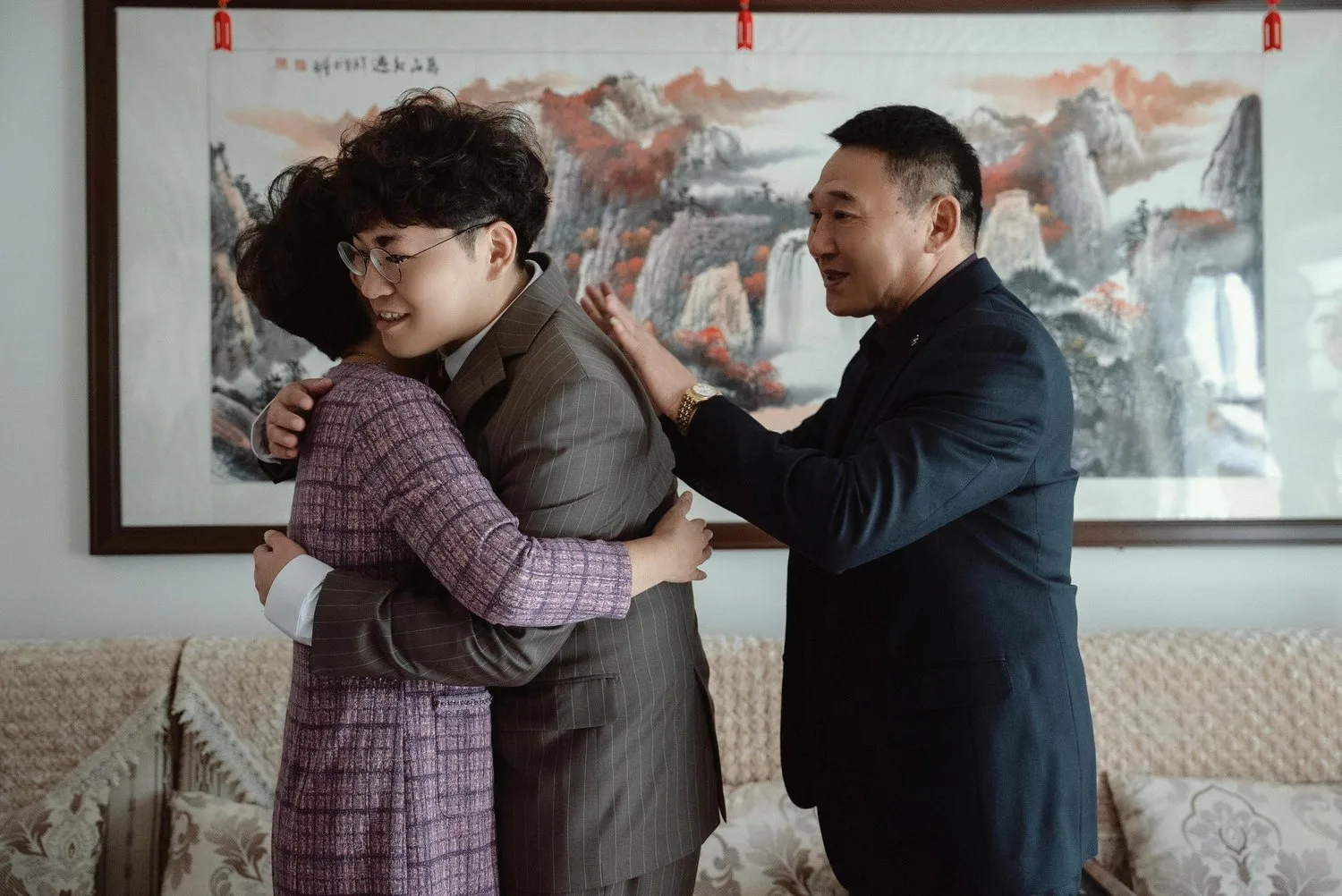
Nobody sat you down and explained the rules. No one handed you a manual for how your family operates. Yet somehow, you learned. You know not to bring up certain topics at dinner. You understand who gets comforted when upset and who's expected to handle things alone. You've internalized which emotions are acceptable and which must be hidden.
These unwritten rules, unspoken expectations, and inherited patterns make up your family's implicit system. At Nabi Family Therapy, we understand that families are complex systems where every member influences and is influenced by everyone else. When one person begins to understand and shift these implicit patterns, healing ripples through the entire family.
What Are Implicit Family Systems?
Every family operates according to both explicit rules, the ones we talk about, and implicit rules that no one ever named but everyone somehow knows.
Implicit systems are the invisible architecture of family life. They include unspoken rules about emotion ("anger is dangerous," "sadness is weakness"), roles that family members unconsciously adopt (the peacemaker, the responsible one, the identified patient), patterns of communication (who speaks for whom, what topics are off-limits), and beliefs about relationships (conflict means disconnection, asking for help equals burdening others). These patterns feel like "just how things are" rather than choices that could be examined or changed.
They're transmitted across generations without awareness. Your grandparents passed patterns to your parents, often shaped by their own experiences of trauma, immigration, or cultural displacement. Your parents transmitted these to you, usually without conscious intention or even awareness. You're likely passing them to your children right now, even if you've promised yourself you'd do things differently. This isn't about blame; it's simply how family systems perpetuate themselves across time.
These patterns served purposes once. Many implicit rules developed as adaptations to challenging circumstances. The family that learned "don't show weakness" may have survived discrimination or economic hardship where vulnerability was genuinely dangerous. The pattern of emotional suppression might have helped previous generations manage overwhelming grief or trauma. Understanding the original function doesn't mean these patterns still serve your family, but it helps approach them with compassion rather than judgment.
They become problematic when circumstances change. What helped your family survive a crisis or navigate one cultural context may create problems in different circumstances. The rule that "family problems stay private" that once protected your family from community judgment might now prevent seeking therapy or support when you need it. The expectation that children shouldn't "burden" parents with feelings might create anxious teens who struggle silently rather than asking for help.
They're maintained through family members' interactions. Implicit systems aren't just historical; they're actively recreated every day through how family members respond to each other. When a child expresses vulnerability, and parents unconsciously redirect or minimize, they reinforce the rule that emotions aren't welcome. When couples avoid conflict to maintain peace, they strengthen the pattern that disagreement threatens the relationship.
Common Implicit Patterns in Family Systems
While every family's implicit system is unique, certain patterns appear frequently and profoundly shape family members' well-being. Here are patterns we often see:
Emotional Restriction Rules
Families develop unspoken rules about which emotions are acceptable. Joy is fine, but anger is dangerous, or worry is normal, but sadness is self-indulgent, creating family members who struggle to recognize and express their full emotional range.
Role Rigidity
Family members get locked into implicit roles like "the successful one," "the troubled one," or "the caretaker," limiting their ability to show other aspects of themselves and often creating resentment or identity struggles.
Conflict Avoidance Patterns
Some families operate under the implicit rule that any disagreement threatens the family's stability, leading to suppression of authentic needs and feelings that eventually explode or manifest as anxiety and depression.
Privacy and Secrecy Norms
Implicit rules about what can be discussed outside the family (or even within it) can prevent family members from seeking support, processing difficult experiences, or developing authentic relationships beyond the family.
Achievement and Performance Expectations
Unspoken beliefs that love and belonging are contingent on achievement or that family members must present perfectly to the outside world create enormous pressure, particularly for children and teens still developing their sense of self.
These patterns don't just influence individual family members; they shape the entire family's emotional climate and relational possibilities.
How Implicit Systems Affect Different Family Members
The same implicit family pattern impacts different family members in different ways, depending on their role, developmental stage, and personality.
Parents often reproduce patterns unconsciously. You might hear your mother's words coming out of your mouth or find yourself responding to your child exactly the way your father responded to you, even when you've consciously decided to parent differently. The implicit system operates beneath your awareness, activated by stress, strong emotion, or familiar situations. Parent coaching helps bring these patterns into awareness, where they can be examined and changed.
Children absorb and adapt to implicit rules. Kids are incredibly sensitive to unspoken family dynamics. They learn which parts of themselves are welcomed and which must be hidden. They figure out what role keeps the family stable and adapt themselves to fill it, even at the cost of their own authentic development. Child therapy can help children who are struggling under the weight of implicit expectations they're too young to articulate.
Teens may rebel against or withdraw under the pressure. Adolescence naturally involves questioning family norms, but teens in families with rigid implicit systems may find that expressing their authentic selves feels like betraying the family. They might withdraw completely, act out against rules they can't name, or develop anxiety and depression as they try to reconcile their emerging identity with family expectations.
Couples recreate their families of origin. Partners often unconsciously bring their childhood family's implicit rules into their relationship. When these rules conflict (one partner's family avoided conflict while the other's expressed everything loudly), couples may struggle without understanding why. Each person is simply following the implicit rules they learned about how relationships work.
The impact compounds across generations. Children raised in families with rigid implicit systems often develop anxiety, depression, difficulty with relationships, or challenges in setting boundaries. Without intervention, they pass these patterns to their own children, perpetuating struggles across generations despite their best intentions.
Recognizing Your Family's Implicit System
Bringing unconscious patterns into awareness is the first step toward changing them. Here are ways to identify your family's implicit rules:
1. Notice What Topics Are Off-Limits
Pay attention to conversations that get redirected, topics that create tension, or subjects no one mentions; these silences often point to powerful implicit rules about what can and cannot be acknowledged.
2. Identify Repeated Phrases and Beliefs
Listen for the things your family says repeatedly: "We don't air our dirty laundry," "Big kids don't cry," "Family always comes first.” These verbal patterns usually point to deeper implicit beliefs.
3. Observe Emotional Reactions That Seem Disproportionate
When small events trigger big reactions (a minor disagreement that feels catastrophic, a child's ordinary need that creates parental anxiety), you're likely touching on an implicit rule or pattern.
4. Examine Roles Family Members Play
Notice if family members seem stuck in particular roles, if someone always mediates conflict, if another always needs help, if one child gets positioned as "easy" while another is "difficult." These roles are often part of the implicit system.
5. Consider What Your Family Rewards and Punishes
Look at which behaviors get attention and approval versus which create tension or disapproval; this reveals implicit values and rules about how family members should be.
This exploration works best with support from a family therapist who can help you see patterns that feel invisible from inside the system.
Creating Healthier Family Patterns
Understanding implicit systems isn't about blame or shame; it's about creating conscious choice where automatic patterns once operated.
Name the patterns explicitly. When implicit rules become explicit, they lose some of their power. Family therapy creates space to identify and discuss patterns that have operated unconsciously. Simply naming "our family has an implicit rule that anger isn't safe" begins to create distance from the pattern and opens possibilities for change.
Understand the original context and function. Approaching implicit patterns with curiosity about their origins ("how did this pattern help our family cope?" or "what was this rule protecting us from?") creates compassion rather than judgment. This understanding is particularly important for multicultural families whose implicit rules may be rooted in cultural survival or immigration experiences.
Decide consciously what to keep and what to change. Not all implicit patterns are problematic. Some family traditions, values, and ways of being together are beautiful and worth preserving. The goal isn't to eliminate all patterns but to move from unconscious repetition to conscious choice about which patterns serve your family now.
Create new patterns through consistent practice. Changing implicit systems requires more than awareness; it takes ongoing practice of new ways of being together. This might mean parent-child therapy sessions where you practice new communication patterns, couples working to interrupt old cycles, or family meetings where previously unspoken dynamics get discussed openly.
Be patient with the discomfort. Changing long-standing patterns feels strange at first. Family members may unconsciously pull the system back to familiar patterns even when those patterns are painful. This isn't resistance; it's the system trying to return to equilibrium. Therapeutic support helps families tolerate the discomfort of change long enough for new patterns to become familiar.
Remember that one person's change affects everyone. You don't need every family member to participate in therapy for the system to shift. When one person begins responding differently, relating differently, or holding boundaries differently, the entire system must adjust. This is the butterfly effect in action; small changes in one part of the system create ripples throughout.
The Path Forward for Your Family
Your family's implicit system shaped you profoundly, for better and worse. The unspoken rules you learned, the roles you adopted, the patterns you absorbed, they're part of your story. But they don't have to be your family's future.
At Nabi Family Therapy, we help families make the invisible visible, bringing implicit patterns into awareness where they can be examined, understood, and changed. We honor the adaptive purposes these patterns once served while helping you create new ways of being together that support every family member's well-being. When one family member develops awareness and begins shifting their role in the system, healing ripples through the entire family.
Ready to understand and shift your family's patterns? Connect with our team to begin creating conscious, healthy dynamics for your whole family. Because awareness is the first step toward change.
At Nabi Family Therapy, we believe that when one person heals, the ripple effects strengthen the whole family. Every family deserves a safe place to grow, connect, and belong together. Get in touch with us today to learn more.


Ready to take the next step together?
Our care team reads every inquiry and can help you find the right fit.