

When something hard happens to a child, the impact rarely stays contained inside the child alone. A scary medical event, a loss, a frightening separation, exposure to conflict, or a sudden life change can ripple through bedtime routines, friendships, classroom focus, and the quiet moments at the dinner table. Children do not always have the words to explain what they are carrying, but they show us in other ways.
This guide is for parents and caregivers who sense their child is holding something heavy. We will walk through what childhood trauma can look like, why a family-centered approach helps healing take root, and what supportive care for kids actually involves. Healing is possible, and it almost always happens best when the people who love the child are part of the journey.
What Trauma Can Look Like in a Child's World
Trauma in childhood does not always follow the dramatic storylines we see in movies. It can come from a single overwhelming event, or it can build slowly through ongoing stress, instability, or a frightening environment. What matters is not the size of the event from an adult perspective, but how the child's nervous system experienced it.
Children process big experiences with developing brains and limited language, which means their distress often shows up in their bodies, behavior, and play long before it shows up in conversation. Recognizing these signals with curiosity rather than frustration is one of the most loving things a caregiver can do. Specialized child therapy creates a safe space where these signals can be heard and understood.
Common Signs Your Child May Be Carrying Trauma
Children speak through patterns. When a parent learns the language of those patterns, the path forward becomes much clearer. Below are some of the most common ways trauma can surface in young children.
Sleep Disruption and Nightmares
Sudden bedtime resistance, frequent waking, or recurring scary dreams often point to a nervous system that does not yet feel safe enough to rest.
Regression to Earlier Behaviors
Returning to thumb-sucking, baby talk, accidents after being potty trained, or wanting to be carried again can be a child's way of seeking comfort and safety.
Big Emotions With Small Triggers
Meltdowns, sudden anger, or shutdown over seemingly minor moments can signal an overwhelmed system that has run out of capacity.
Changes in Play
Repeating the same scary scene with toys, drawing the same upsetting image, or losing interest in play altogether can be your child working something out internally.
Physical Complaints With No Clear Cause
Frequent stomachaches, headaches, or general body discomfort often reflect emotional pain that has nowhere else to go.
Withdrawal From Loved Ones or Friends
A previously social child who suddenly avoids connection, or a quiet child who becomes unreachable, may be protecting themselves from further overwhelm.
If several of these signs are showing up together or have lasted more than a few weeks, it is worth reaching out to a clinician who works with children. These signals are not misbehavior; they are communication.
Why Healing Works Best With the Whole Family Involved
A child does not heal in isolation. Their nervous system regulates in relationship, and the steadiness of the adults around them becomes part of the medicine. This is why a thoughtful approach to childhood trauma rarely treats the child as a separate project. Caregivers, siblings, and the rhythms of home life are all part of the healing context.
When parents are supported, informed, and held alongside their child, every gain made in the therapy room has a place to land at home. This is the heart of family therapy and why it pairs so naturally with individual work for children. A whole-family lens also helps parents make sense of their own reactions, including the moments when their child's distress activates their own history. Some families benefit from looking at breaking generational patterns that no longer serve your family as part of this larger healing picture.
What Trauma Therapy for Children Actually Looks Like
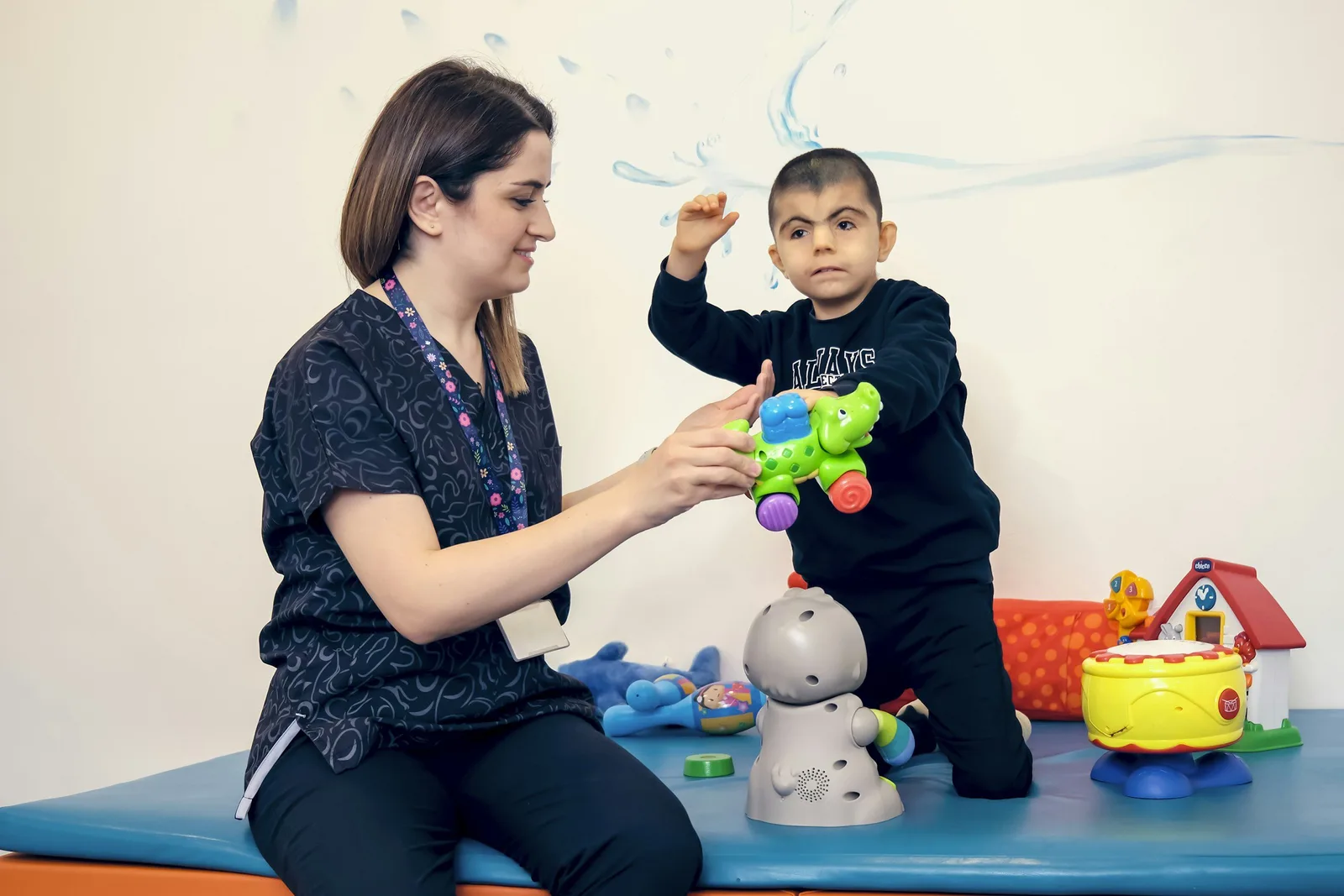
Effective therapy for a child who has experienced something hard is rarely about sitting still and talking. Children process the world through play, story, art, movement, and connection with a trusted adult. A skilled child therapist follows the child's lead while gently guiding them toward more regulation, more language for feelings, and a renewed sense of safety in their body.
Several approaches often weave together depending on the child's age, history, and family context. Play and expressive arts give children a developmentally honest way to externalize what they cannot yet say. Parent-child therapy strengthens the attachment relationship so the parent becomes a more effective source of co-regulation. For children old enough and ready for it, EMDR trauma therapy can help reduce the emotional intensity of frightening memories so they no longer hijack everyday life.
Throughout the process, parents are coached and supported, because what happens at home between sessions matters as much as what happens in the therapy room. Highly attuned children often benefit from understanding their wiring through a sensitivity lens as well, which is why therapy for highly sensitive children and adults can be a useful companion piece for some families.
Ways Parents Can Support a Child Who Is Healing
Healing happens in the everyday moments at home as much as in the therapy room. The following practices help create the kind of environment where a child's nervous system can settle, and trust can rebuild.
1. Become a Steady, Predictable Presence
Children who have experienced something hard often scan their world for safety cues. Predictable routines, calm tone of voice, and clear follow-through give their bodies a chance to relax. You do not need to be perfect; you need to be reliable.
Even small rituals like a consistent bedtime sequence or a familiar morning hello help signal to your child that the world has steady ground again. Over time, that steadiness becomes internalized.
2. Name Feelings Without Fixing Them
When your child is upset, resist the urge to talk them out of the feeling. Try simply naming what you see, such as "your body looks really tense right now" or "that felt really scary." Naming a feeling helps the brain process it.
This does not mean agreeing with every interpretation a child has of an event. It means honoring that the feeling is real, which is what allows the feeling to eventually move through.
3. Co-Regulate Before You Correct
A dysregulated child cannot access logic, listen to instructions, or learn from a lecture. Their system has to come back online first. Sit nearby, breathe slowly, lower your voice, and offer a hand or a hug if welcomed.
Once your child is calm, the conversation about choices, repair, or expectations becomes possible. Building this habit can prevent many escalations and is something parent coaching can help you practice in real time.
4. Protect Connection Even When Behavior Is Hard
Trauma can produce behavior that pushes the people closest to the child away. Try not to take it personally. Your child is not their behavior, and the relationship is the long game.
Small repair moments, such as returning after a hard interaction to say "I love you, even when things feel big," help your child trust that connection is durable. That trust is itself healing.
5. Take Care of Your Own Nervous System
Parenting a child through trauma can be exhausting, activating, and lonely. Your own regulation is not a luxury; it is part of your child's environment. Sleep, support, movement, and your own therapeutic work all matter.
Many parents find that their child's healing journey opens up something in their own story, and that is not a setback. It is part of how families grow together.
These five practices weave through every other piece of the healing process. None of them require perfection, only steady attention and the willingness to come back when you fall short.
Finding the Right Support for Your Family
Choosing a therapist for your child is a meaningful decision. Look for someone who specializes in working with kids, who values parents as partners, and who frames healing as a family experience rather than a fix-the-child project. Cultural attunement, warmth, and clinical skill matter equally. Our team of experienced therapists at Nabi works with this whole-family lens at the center of every plan of care, and we welcome conversations about what your child and your family need.
When you are ready, reaching out for a consultation is a gentle first step. There is no pressure to commit to anything before you have had a chance to ask questions and meet someone.
At Nabi Family Therapy, we believe that when one person heals, the ripple effects strengthen the whole family. Every family deserves a safe place to grow, connect, and belong together.
At Nabi Family Therapy, we believe that when one person heals, the ripple effects strengthen the whole family. Every family deserves a safe place to grow, connect, and belong together. Get in touch with us today to learn more.

Ready to take the next step together?
Our care team reads every inquiry and can help you find the right fit.