
Cultural Identity · Family Support
Finding Your Tribe as a Multicultural Family
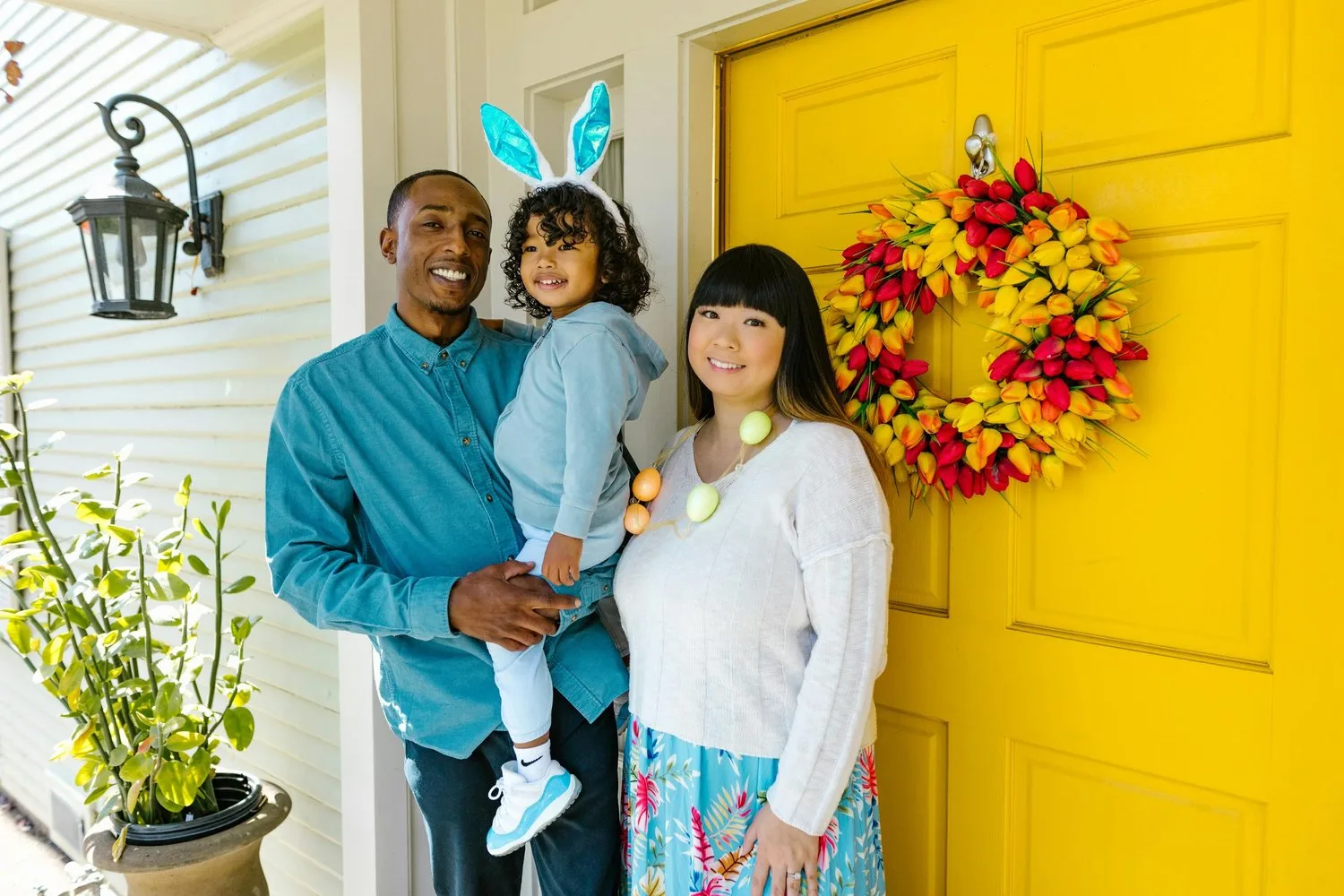
In a world that often asks you to choose sides, multicultural families exist beautifully in the spaces between categories. You might be the family speaking three languages at the dinner table, celebrating holidays from multiple traditions, or navigating the delicate balance between honoring ancestral customs and embracing new cultural experiences. While this richness brings incredible depth to family life, it can also create unique challenges in finding a community where every part of your family's identity feels welcomed and understood.
At Nabi Family Therapy, we understand the profound need for belonging that multicultural families experience. The search for "your tribe" isn't just about finding social connections; it's about discovering communities where your children can see themselves reflected, where your cultural values are respected, and where the beautiful complexity of your family's identity can be celebrated rather than explained or justified.
The Unique Journey of Multicultural Families
Multicultural families navigate identity questions that single-culture families rarely encounter. Children might struggle with feeling "too Asian" in some spaces and "not Asian enough" in others, or feel pressure to choose which cultural identity to prioritize in different social situations. Parents might find themselves constantly translating not just languages but entire worldviews, helping their children understand why certain values or practices matter to their family's heritage.
These families often become cultural bridges, creating new traditions that blend multiple backgrounds into something uniquely their own. A family might celebrate Lunar New Year with tamales, observe Ramadan while incorporating Latino family values, or navigate between individualistic and collectivistic cultural expectations depending on the context. This cultural creativity is a tremendous strength, but it can also lead to feelings of isolation when seeking community support.
The challenge intensifies when families move to areas where their particular cultural combination isn't represented, when children attend schools where they're the only family with their specific background, or when extended family members have different opinions about cultural preservation versus assimilation. Finding community becomes essential not just for social connection but for cultural survival and identity development.
The Search for Understanding and Acceptance
One of the most exhausting aspects of life for multicultural families can be the constant need to educate others about their background, explain traditions, or field questions about their children's appearance, names, or cultural practices. Many families long for spaces where their normal is simply normal, where their children don't have to be cultural ambassadors every day, and where their family's particular blend of traditions is met with understanding rather than curiosity.
This search for belonging often involves trying various communities, each of which might embrace one aspect of the family's identity while overlooking others. The Korean cultural center might not understand the Mexican traditions, the neighborhood playgroup might not grasp the importance of certain religious observances, or the international school community might make assumptions about economic status based on cultural background.
Sometimes the most challenging dynamics occur within cultural communities themselves. Second or third-generation families might face questions about authenticity from more recent immigrants, while newer families might feel pressure to assimilate more quickly than feels comfortable. These internal community tensions can make finding belonging even more complex, as families navigate not only external acceptance but also internal cultural community expectations.
Building Your Own Cultural Constellation
Creating community as a multicultural family often requires intentional effort and creative approaches. Here are ways families can build connections that honor their full cultural identity:
The Heritage Storytelling Circle
Connect with other families who value sharing cultural stories, creating regular gatherings where children can hear diverse traditions and share their own family's unique blend.
The Multi-Faith Community Network
Build relationships with families who practice different faiths or spiritual traditions, creating inclusive spaces where various beliefs and practices can coexist and be celebrated.
The Language Exchange Family Group
Form connections with families who are maintaining multiple languages at home, sharing resources, and creating opportunities for children to use their heritage languages socially.
The Cultural Fusion Celebration Network
Organize families who create new traditions by blending cultures, sharing ideas for holidays, food combinations, and celebration styles that honor multiple heritages.
The Identity Navigation Support System
Connect with other parents who are helping children navigate questions of cultural identity, providing mutual support and sharing strategies for confidence-building.
The Intergenerational Bridge Building Community
Build relationships across generations within your cultural communities, helping children connect with elders while also finding space for cultural evolution.
Finding or creating these communities takes time and effort, but the result is often a rich network of relationships where every aspect of your family's identity can be celebrated and supported.
Nurturing Identity in Children
Multicultural children often face unique identity development challenges that require intentional support from both family and community. They might struggle with questions like "What am I?" when forms ask them to choose one ethnicity, or feel pressure to represent their entire culture when they're the only one of their background in a classroom. These experiences can create confusion, shame, or a sense of never fully belonging anywhere.
Helping children embrace their multicultural identity involves teaching them that they don't have to choose between their cultural backgrounds, that being "mixed" or multicultural is a complete identity in itself, and that their unique perspective is valuable rather than confusing. This requires finding communities where children can meet others with similar experiences, where they can see successful multicultural adults, and where their questions about identity are met with understanding rather than oversimplification.
Professional support can be invaluable during this process. Therapists who understand multicultural identity development can help children and families navigate these complexities while building confidence and pride in their unique cultural constellation. Family therapy can also help parents develop strategies for supporting their children's identity development while managing their own cultural integration challenges.
Creating Community When None Exists
Sometimes multicultural families find themselves in areas where their particular cultural combination simply isn't represented in existing communities. In these situations, families often become community creators, reaching out to connect with others who might be feeling similarly isolated and working together to build the support networks they need.
This might involve starting playgroups for multicultural families, organizing cultural celebration exchanges where families share their traditions with each other, or creating online communities that connect families with similar backgrounds across geographical distances. Some families find success in partnering with schools, libraries, or community centers to create multicultural family programming that serves their area's diverse population.
The process of creating community often becomes healing in itself, as families discover that many others share their experiences of cultural navigation and identity development. Children benefit enormously from seeing their parents take active roles in community building, learning that they have agency in creating spaces where they belong rather than waiting for acceptance from existing structures.
Therapeutic Support for Cultural Identity
Family therapy can provide crucial support for multicultural families navigating identity, community, and belonging challenges. Therapists who understand cultural complexity can help families process experiences of discrimination, develop strategies for cultural pride building, and work through intergenerational conflicts about cultural preservation versus adaptation.
Individual therapy for children and teens can be particularly valuable, providing a safe space to explore identity questions, process experiences of cultural misunderstanding or rejection, and develop confidence in their multicultural identity. Parents often benefit from support in managing their own cultural identity questions while helping their children, especially when their own experiences of cultural navigation were different from what their children are facing.
Group therapy with other multicultural families can create community while providing therapeutic support, allowing families to share experiences and strategies while working through challenges together. This combination of community building and professional guidance often creates powerful healing opportunities for entire family systems.
Conclusion
In Korean, nabi means butterfly, a creature that embodies the beauty of existing between worlds during its development. Multicultural families often find that their journey toward belonging mirrors this process, navigating between different cultural spaces before emerging with a strong, integrated identity that celebrates all aspects of their heritage.
The path to finding your tribe as a multicultural family requires patience, intention, and sometimes the courage to create community where none existed before. But families who persist in this journey often discover that their multicultural identity becomes a source of strength, resilience, and connection that enriches not only their own lives but also the communities they help create.
At Nabi Family Therapy, we believe that when one person heals, the ripple effects strengthen the whole family. Every family deserves a safe place to grow, connect, and belong together. Get in touch with us today to learn more.

Ready to take the next step together?
Our care team reads every inquiry and can help you find the right fit.