
Family Therapy · Cultural Responsiveness
Communication Challenges Across Generations and Cultures
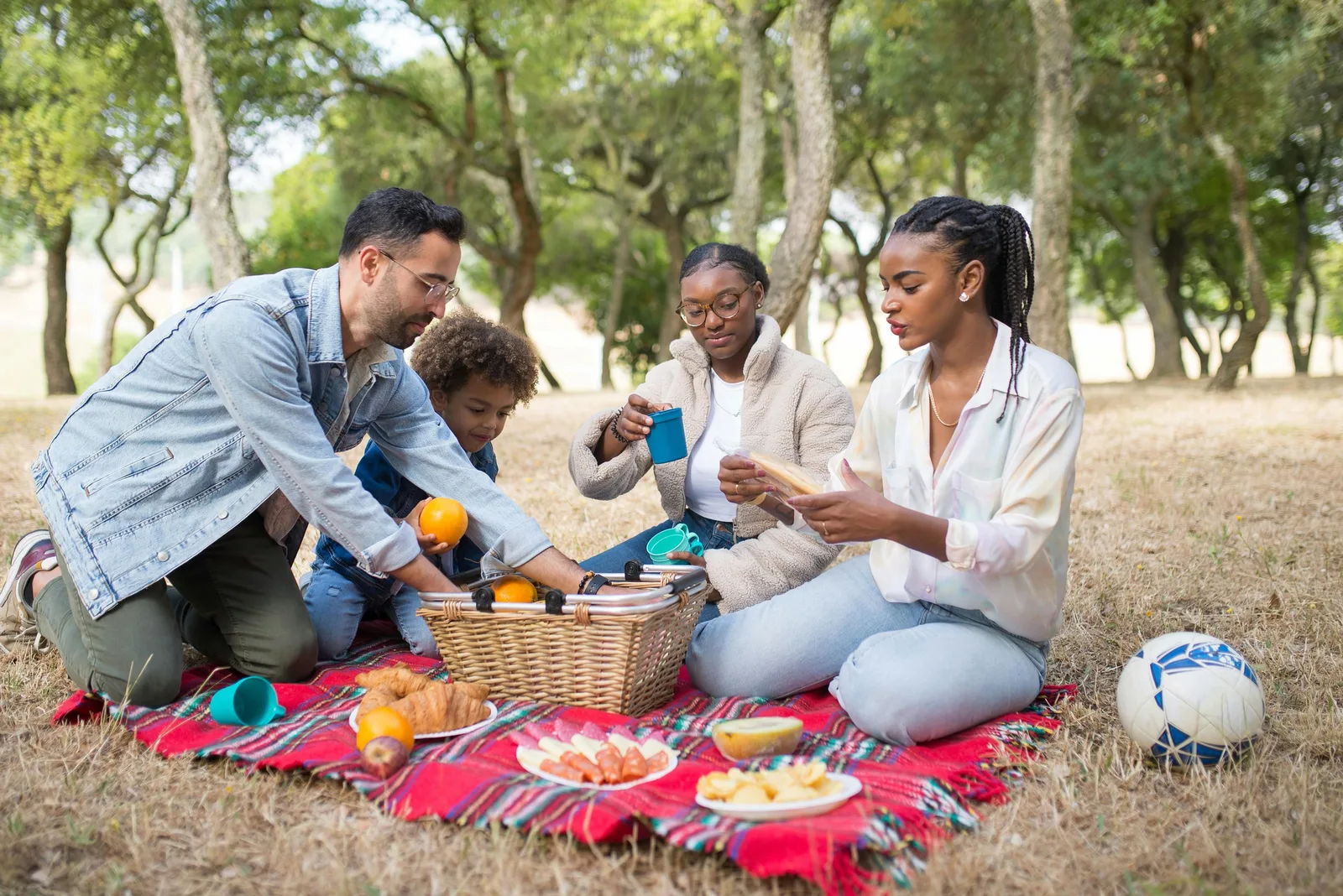
Every family has moments when it feels like members are speaking different languages, even when they share the same words. A grandmother who shows love through food and silence may feel dismissed by a grandchild who craves verbal affirmation. A teenager raised in one culture but educated in another may feel caught between two sets of expectations that seem impossible to reconcile. A parent who immigrated for a better life may struggle to understand why their child wants to pursue art instead of medicine.
These are not signs of a broken family. They are the natural friction points that arise when people who love each other deeply are shaped by different eras, different cultures, and different life experiences. The challenge is not eliminating these differences but learning to communicate across them with curiosity, patience, and respect so that every family member feels they truly belong.
Where Generational and Cultural Gaps Come From
Communication patterns within families are deeply rooted in history, culture, and lived experience. Understanding where these gaps originate is the first step toward bridging them with compassion rather than frustration.
Generational differences often stem from the vastly different worlds each generation grew up in. Grandparents may have been raised in environments where respect meant obedience, emotions were kept private, and sacrifice was the highest form of love. Parents may straddle old and new ways of being, trying to honor the values they inherited while adapting to the culture around them. Children and teens, meanwhile, are growing up in a world shaped by social media, rapid information access, and evolving norms around self-expression and mental health.
Cultural factors add another layer of complexity. In many families, particularly those with immigration experiences or multicultural backgrounds, communication norms vary significantly between the home environment and the outside world. A child may learn at school to advocate for themselves and express emotions openly, while at home, the expectation may be to defer to elders and keep feelings contained. Neither approach is wrong, but the collision between them can create confusion, guilt, and misunderstanding for everyone involved.
Common Communication Patterns That Create Distance
When families struggle to communicate across generational and cultural lines, certain patterns tend to emerge. Recognizing these patterns is not about assigning blame. It is about understanding the dynamics at play so the whole family can begin to shift toward healthier connections.
Here are some of the most common communication patterns that can create distance between family members:
The Silence-as-Love Dynamic
In many cultures, particularly East Asian, South Asian, and Latin American families, love is demonstrated through actions rather than words, so a parent who works long hours or prepares elaborate meals may feel deeply hurt when their child says, "You never tell me you love me," even though the love is real but being expressed and received in different languages.
Inherited Communication Styles
Generational cycles pass communication patterns down without examination, so a father who was never allowed to cry may unconsciously shut down his son's emotional expression, or a mother who was never asked for her opinion as a child may struggle to invite her daughter into family decisions.
Parentification of Children
Children, often the eldest or most fluent in the dominant culture's language, can become translators, mediators, or emotional caretakers for the family, and while this speaks to a child's remarkable capability, it can place a heavy burden on young shoulders and blur the healthy boundaries between parent and child roles.
Conflict Avoidance as Cultural Norm
In families where harmony is valued above individual expression, disagreements may be suppressed rather than addressed, leading to a buildup of unspoken resentment that eventually surfaces as emotional withdrawal or unexpected conflict.
Mismatched Emotional Expectations
Family members who grew up in different cultural or generational contexts may have vastly different expectations around emotional expression, with some expecting open vulnerability and others viewing restraint as a sign of strength and respect.
Understanding these patterns is the first step toward building new ways of connecting that honor every family member's experience and create space for everyone to feel they belong.
The Impact on Children and Teens
Children and teens are especially affected by communication gaps within the family because they are still forming their sense of identity and belonging. When a child cannot express their inner world to their parents, or when a teen feels that their family does not understand who they are becoming, the emotional toll can be significant.
For younger children, communication disconnection may show up as behavioral challenges, anxiety, or withdrawal. A child who senses tension between their grandparents' expectations and their parents' values may internalize that conflict, feeling responsible for keeping the peace. Child therapy can help young children develop emotional language and feel safe expressing their experiences, even when the adults around them communicate differently.
For teenagers, the stakes feel even higher. Adolescence is already a time of intense identity formation, and navigating conflicting cultural messages at home and in the wider world can leave teens feeling like they do not fully belong in either space. A teen who stops talking to their parents may not be rejecting the family. They may simply not have the tools or permission to bridge the gap between their inner world and their family's communication norms. Teen therapy creates a space for adolescents to sort through these experiences and develop skills for staying connected to their families while honoring their own growth.
Building Bridges: How Families Can Strengthen Communication
Improving communication across generational and cultural lines does not require anyone to abandon their values or become someone they are not. It requires a willingness to listen, to be curious, and to expand the ways you express and receive care. Here are six approaches that can help:
1. Practice Cultural Curiosity Within Your Own Family
Instead of assuming you understand a family member's perspective, ask with genuine interest. Questions like "Can you help me understand why that matters to you?" or "What was it like for you when you were my age?" open doors that assumptions keep closed. This is especially powerful between generations, where lived experiences are vastly different.
2. Learn Each Other's Love Languages
Every family member has ways they naturally express and receive care. Some show love through food, some through quality time, some through words, and some through acts of service. Taking time to identify and appreciate each person's way of loving, rather than measuring it against your own, can reduce resentment and deepen gratitude.
3. Create Space for Imperfect Conversations
Many families avoid difficult topics because they are afraid of saying the wrong thing. But silence often causes more damage than imperfect honesty. Let your family know that it is okay to stumble through hard conversations, that trying to communicate matters more than doing it perfectly. A parent coaching relationship can help you learn to initiate and hold these conversations with confidence.
4. Honor the Storytelling Tradition
In many cultures, stories carry wisdom, values, and connection. Encouraging older generations to share their stories, their immigration journeys, their childhood memories, and their reasons for certain traditions creates a living bridge between past and present. It also helps younger family members understand the "why" behind family expectations, which can turn resentment into respect.
5. Establish Family Rituals That Include Everyone
Rituals, whether weekly family dinners, holiday traditions, or even short daily check-ins, create predictable moments of togetherness. The key is ensuring these rituals are inclusive and meaningful for every generation. Ask younger family members to contribute ideas, and be open to evolving traditions so they remain living practices rather than obligations.
6. Seek Support When Communication Feels Stuck
Sometimes communication gaps are too wide to bridge without help. A family therapist who understands the role of culture and generational dynamics can facilitate conversations that feel impossible at the kitchen table. The therapist serves as a neutral guide, helping each person feel heard while building new communication patterns that honor the whole family.
These approaches work best when practiced consistently and with patience, recognizing that building new communication habits takes time for every generation.
When Professional Support Makes a Difference
There are moments when a family's communication challenges require more than good intentions. If conversations consistently end in conflict, if certain family members have become isolated or withdrawn, or if cultural and generational tensions are affecting the mental health of children or adults, family therapy can provide the structure and safety needed for real healing.
A culturally responsive therapist does not take sides or impose one generation's communication style over another. Instead, they help each family member understand where the others are coming from and co-create new ways of relating that feel respectful to everyone. This is especially valuable in families where direct confrontation is culturally uncomfortable, because therapy offers a structured, gentle space to address what might never come up at home.
For families navigating the complexities of parent-child relationships that are strained by cultural misunderstanding, therapeutic support can rebuild trust and help both sides feel seen.
A Place Where Every Voice Belongs
At Nabi Family Therapy, we believe that every family member's voice matters, from the quietest grandparent to the most outspoken teenager. Communication across generations and cultures is not about choosing one way of being over another. It is about expanding the family's capacity for understanding so that everyone feels they belong.
When one person in the family learns a new way to listen or express themselves, it creates ripples that reach every other relationship in the system. That is the butterfly effect of belonging in action. If your family is ready to start bridging the gaps and building a deeper connection, we are here to walk alongside you. Every family deserves to feel heard, understood, and whole.
At Nabi Family Therapy, we believe that when one person heals, the ripple effects strengthen the whole family. Every family deserves a safe place to grow, connect, and belong together. Get in touch with us today to learn more.

Ready to take the next step together?
Our care team reads every inquiry and can help you find the right fit.