
Manhattan Beach
Blended Family Therapy in Manhattan Beach, CA
Create Harmony in Your Multicultural Stepfamily With Compassionate, Culturally-Informed Support
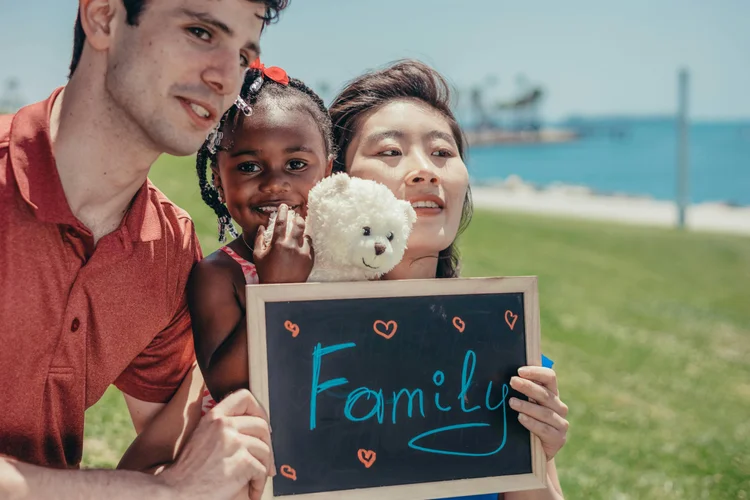
Blending families is one of life's most beautiful challenges, and one of the most complex.
When you're bringing together children from previous relationships, different cultural backgrounds, and varying parenting styles, it's natural to feel overwhelmed. Add the unique dynamics of multicultural stepfamilies, and you might find yourself wondering if harmony is even possible.
At Nabi Family Therapy in Manhattan Beach, we understand that every blended family's journey is unique. Like the butterfly (nabi in Korean) that emerges through transformation, your family has the potential to create something beautiful and strong together. We specialize in helping multicultural stepfamilies navigate the delicate process of building trust, establishing new traditions, and creating a sense of belonging for everyone.
Our culturally-informed approach honors each family member's heritage while building bridges between different backgrounds, parenting philosophies, and family cultures. You don't have to choose between honoring your roots and creating unity; we'll help you weave them together into a tapestry that strengthens your entire family system.
Blended family therapy is a specialized form of family counseling designed specifically for stepfamilies navigating the complex process of creating unity while honoring individual identities.
Unlike traditional family therapy, our approach recognizes the unique challenges that arise when families merge, from loyalty conflicts and stepparent-stepchild relationships to integrating different cultural values and parenting styles.
Our process begins with understanding each family member's perspective and cultural background. We create a safe space where children can express their feelings about family changes, stepparents can develop authentic relationships without overstepping boundaries, and biological parents can learn to co-parent effectively across households. For multicultural families, we pay special attention to how different cultural expectations around family roles, respect, and communication can create both challenges and opportunities for deeper connection.
Through evidence-based approaches including family systems therapy, attachment-based interventions, and culturally-responsive techniques, we help families establish new traditions that honor everyone's heritage. We address common stepfamily challenges like divided loyalties, discipline disagreements, and ex-spouse communication issues with compassion and practical strategies.
The goal isn't to replace existing family bonds but to expand the circle of love and support. We help families create new rituals, establish clear boundaries, and develop communication patterns that allow everyone to feel heard and valued. Your blended family's multicultural richness becomes a source of strength rather than division, creating a home where every member truly belongs.
Build Your United Blended Family Today
Key Benefits
- Heal Stepparent-Stepchild Relationships With Cultural Sensitivity Building authentic relationships between stepparents and stepchildren requires patience, understanding, and respect for existing bonds. In Manhattan Beach's diverse community, we often work with families where stepparents and stepchildren come from different cultural backgrounds, each with unique expectations about family roles and relationships. Our therapists help stepparents understand how to build trust gradually without trying to replace biological parents, while helping children process their feelings about family changes and new authority figures. We address the delicate balance of discipline, affection, and boundaries that stepparents must navigate. Through family sessions and individual work, we help stepchildren feel safe expressing their concerns while teaching stepparents culturally-appropriate ways to show care and establish their role. Many families discover that what initially felt like insurmountable differences actually become opportunities for richer, more diverse family experiences. The goal is authentic connection built on mutual respect rather than forced relationships.
- Navigate Co-Parenting and Ex-Spouse Communication Effectively Successful blended families require effective communication between all adult caregivers, including ex-spouses who may have different cultural approaches to parenting and family involvement. We help biological parents establish clear, respectful communication patterns with former partners while maintaining appropriate boundaries that protect their new family unit. This includes developing strategies for handling different parenting philosophies, managing logistics around custody exchanges, and presenting a united front to children. In multicultural contexts, we address how different cultural values around family involvement, extended family roles, and child-rearing can create tension between households. Our approach helps parents focus on their children's wellbeing while honoring the cultural richness that multiple households can provide. We develop practical communication tools and conflict resolution strategies that reduce stress for everyone involved, especially the children who move between different family systems.
- Create New Traditions That Honor All Cultural Backgrounds One of the greatest gifts of multicultural blended families is the opportunity to create rich, diverse traditions that celebrate everyone's heritage. We guide families through the intentional process of selecting which traditions to maintain, which to adapt, and what new customs to create together. This might involve blending holiday celebrations, incorporating different cultural foods into family meals, or creating rituals that acknowledge important events from multiple cultural calendars. The process requires sensitivity to ensure that no family member feels their background is being diminished or overlooked. We help families navigate questions like how to celebrate holidays when parents have different religious or cultural practices, how to handle language use in the home, and how to involve extended family members from various cultural backgrounds. These new traditions become powerful bonding experiences that reinforce the family's unique identity while teaching children to value diversity and inclusion.
- Address Loyalty Conflicts With Compassion and Understanding Children in blended families often struggle with feeling caught between loyalties to biological parents and new family members. These conflicts can be particularly intense in multicultural families where children may feel pressure to choose between different cultural identities or family loyalties. We help children understand that love isn't finite, caring for stepfamily members doesn't diminish their love for biological parents or their connection to their cultural heritage. Through age-appropriate therapeutic techniques including play therapy for younger children and talk therapy for teens, we create safe spaces for children to express their conflicted feelings without judgment. We work with the entire family system to reduce pressure on children to take sides or carry adult emotional burdens. Parents and stepparents learn how to reassure children that all their relationships are valued and protected, creating emotional safety that allows natural bonds to develop organically.
- Integrate Different Parenting Styles Successfully Every parent brings their own upbringing, cultural background, and personal values to their parenting approach. In blended families, these different styles must somehow coexist within one household while maintaining consistency across multiple homes. We help parents and stepparents identify their core values and non-negotiables while finding areas where flexibility and compromise benefit the entire family system. Cultural differences in parenting, such as varying approaches to discipline, academic expectations, independence, and family hierarchy, are addressed with respect for all perspectives. We facilitate conversations that help adults understand each other's motivations while developing unified approaches that children can understand and respect. This doesn't mean everyone parents identically, but rather that the overall family environment feels cohesive and supportive rather than confusing or contradictory.
- Build Strong Communication Skills for Complex Family Dynamics Effective communication in blended families requires skills that go beyond typical family dynamics. Family members must learn to express needs clearly, listen across cultural and generational differences, and navigate conversations that involve multiple households and complex relationships. We teach age-appropriate communication strategies that help everyone feel heard while maintaining respect for family hierarchies and cultural values. For multicultural families, this includes addressing how different cultural communication styles, direct versus indirect, individual versus collective decision-making, and varying levels of formality with authority figures, can be honored within the blended family structure. Children learn to navigate different communication expectations between households, while adults develop skills for discussing sensitive topics like discipline, finances, and future planning in ways that strengthen rather than divide the family unit.
Our Services
✔ Family Therapy
Our comprehensive family therapy approach addresses the unique dynamics of blended families, helping all members develop stronger relationships and communication skills. We focus on creating safety and belonging for everyone while respecting existing bonds and cultural values. Sessions include the entire family unit and may involve separate meetings with different family subsystems as needed.
✔ Parent-Child Therapy
Specialized sessions focusing on rebuilding and strengthening bonds between parents and children during family transitions. This approach is particularly helpful for addressing loyalty conflicts and helping children adjust to new family structures while maintaining secure attachments with biological parents.
✔ Couples Therapy
Strong partnerships between biological parents and stepparents form the foundation of successful blended families. Our couples therapy helps partners navigate the challenges of merging families while maintaining their relationship. We address topics like co-parenting decisions, financial planning, and managing stress from complex family dynamics.
✔ Individual Therapy
Sometimes family members need individual support to process their feelings about family changes, develop personal coping skills, or work through specific challenges. We provide individual therapy for children, teens, and adults within the context of the larger family system goals.
Our Process
- 1
Step 1: Comprehensive Family Assessment
We begin with a thorough understanding of your unique family structure, cultural backgrounds, and specific challenges. This includes individual meetings with each family member and joint sessions to observe family dynamics. We explore each person's perspective on the blending process, cultural values, and hopes for the family's future. This foundation helps us develop a customized treatment plan that honors everyone's needs and backgrounds.
- 2
Step 2: Individual and Subsystem Work
Before bringing everyone together, we often work with family subsystems, couples, parent-child pairs, or sibling groups, to address specific relationship dynamics. This might involve helping stepparents and stepchildren build trust, supporting biological parents in managing guilt or loyalty conflicts, or helping siblings from different families develop positive relationships. We also address any individual therapy needs that impact family functioning.
- 3
Step 3: Family Integration and Skill Building
As relationships strengthen, we bring the family together to practice new communication skills, establish family rules and traditions, and create positive shared experiences. We help families develop conflict resolution strategies, decision-making processes, and rituals that reinforce unity while celebrating diversity. This phase focuses on practical skills for daily life and long-term family success.
- 4
Step 4: Ongoing Support and Maintenance
Blended families continue to evolve as children grow and family circumstances change. We provide ongoing support through periodic check-ins, booster sessions during challenging transitions, and resources for continued growth. Families leave with concrete tools and a clear plan for maintaining the progress they've made together.
Our Approach
Our approach to blended family therapy is grounded in the understanding that every family's journey toward unity is unique, especially when multiple cultures are involved.
We believe that cultural diversity within families is a strength to be celebrated rather than a challenge to overcome.
Like the butterfly that emerges through careful transformation, blended families require patience, gentle guidance, and respect for the natural process of change.
We integrate evidence-based family therapy approaches with culturally-responsive techniques that honor each family member's background and identity. Our therapists understand the complexities of multicultural family dynamics, including how different cultural values around family hierarchy, communication styles, and child-rearing can both enrich and complicate the blending process. We help families navigate these differences with sensitivity and skill.
The therapeutic process emphasizes creating safety and belonging for all family members while building bridges between different backgrounds and experiences. We address practical challenges like co-parenting coordination and discipline strategies alongside deeper issues of identity, loyalty, and cultural integration. Our goal is to help families create a new sense of "home" that encompasses everyone's heritage and values.
Throughout the process, we maintain focus on the family's strengths and resilience. Manhattan Beach families bring tremendous resources to the therapeutic process, cultural wisdom, diverse perspectives, and deep love for their children. We help families recognize and build upon these existing strengths while developing new skills for navigating the unique challenges of blended family life.
Nabi Family Therapy was founded by Linda Yoon, LCSW, and Soo Jin Lee, LMFT, with a mission to create culturally-informed therapeutic spaces for families in Manhattan Beach and the South Bay. Specializing in multicultural family dynamics and blended family challenges, we bring a deep understanding of how cultural identity intersects with family relationships and healing. Learn More
Questions
Frequently asked questions
How long does blended family therapy typically take to show results?+
Most families begin seeing improvements in communication and reduced conflict within 6-8 sessions, though deeper relationship building and cultural integration often takes 3-6 months. The timeline depends on factors like the ages of children involved, how recently the families blended, and the specific challenges being addressed. We work at your family's pace and provide ongoing support as needed.
Can you help if the biological parents have very different cultural backgrounds?+
Absolutely. We specialize in helping multicultural blended families navigate differences in cultural values, parenting styles, and family traditions. Our approach helps families view these differences as opportunities for richness rather than sources of conflict. We help create new family cultures that honor everyone's background while building unity.
What if my stepchildren are resistant to family therapy?+
Resistance is completely normal and understandable. We start where family members are comfortable and build trust gradually. Sometimes we begin with individual sessions or work with smaller family subsystems before bringing everyone together. Our goal is to create safety and reduce pressure while helping children understand that therapy is about supporting the whole family, not changing them.
Do you work with families where there are multiple ex-spouses involved?+
Yes, we regularly work with complex blended family situations involving multiple households and co-parenting relationships. While ex-spouses don't typically participate directly in therapy sessions, we help biological parents develop better communication and coordination strategies that reduce stress for everyone involved, especially the children.
How do you address loyalty conflicts in children from multicultural backgrounds?+
We help children understand that they can love and be loyal to multiple family members and cultural identities simultaneously. Through age-appropriate techniques, we address feelings of being "caught in the middle" and help the entire family create an environment where children feel safe expressing affection for all their family relationships without fear of betraying anyone.

EVERYONE DESERVES TO FEEL THEY BELONG
Start Building Family Harmony Today
Your multicultural blended family's transformation begins with one conversation