
NABI FAMILY THERAPY
Bilingual Child Development Support in Manhattan Beach, CA
Nurturing Your Child's Multicultural Identity and Language Growth
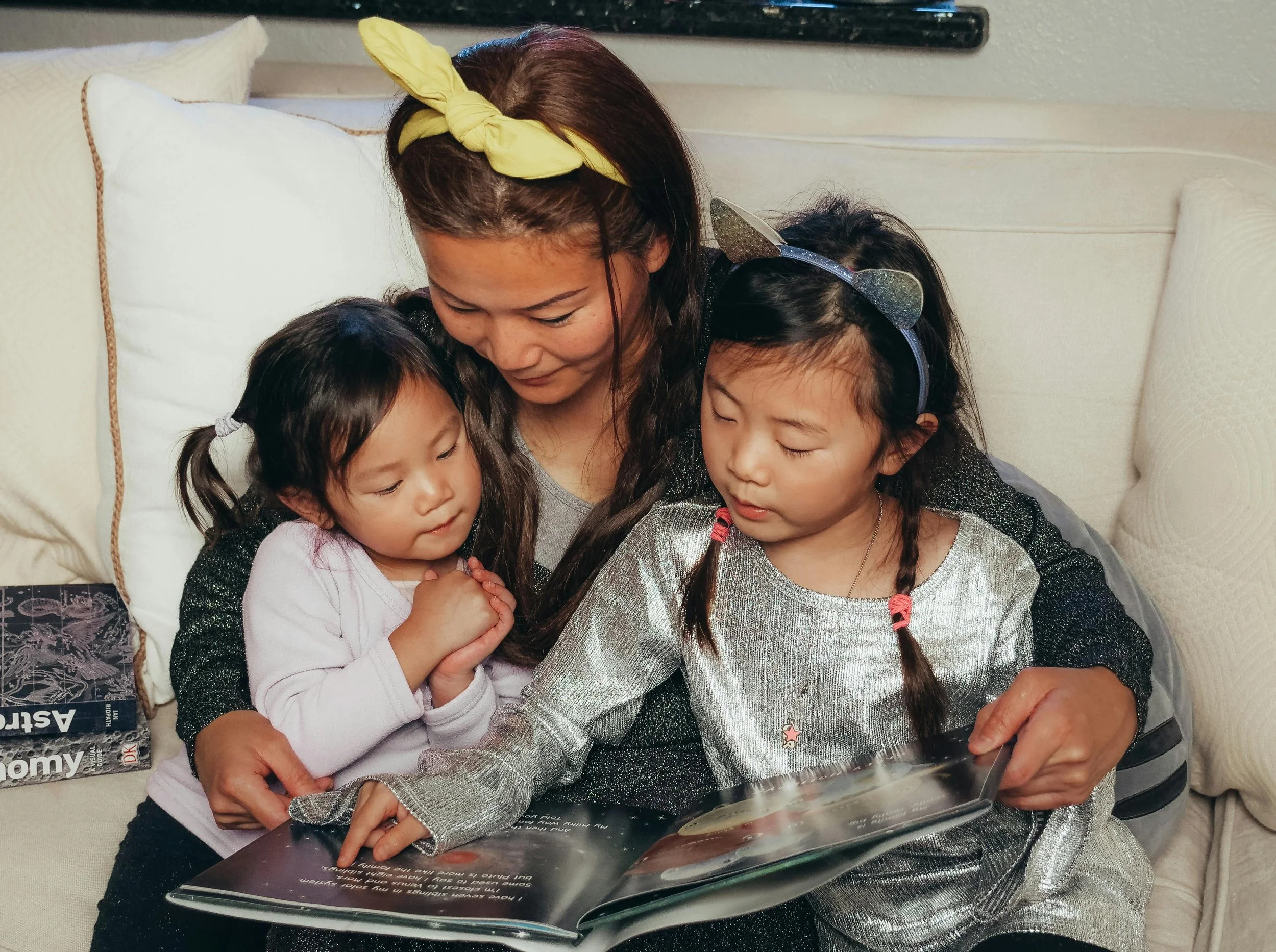
Raising a bilingual child comes with unique joys and challenges that monolingual families simply don't face.
You may worry when your child mixes languages mid-sentence, refuses to speak their heritage language at home, or seems behind their peers in certain language milestones. These concerns are valid, and you're not alone in navigating this complex journey.
At Nabi Family Therapy in Manhattan Beach, we understand that bilingual development follows its own timeline and patterns. Our specialized approach celebrates your child's multicultural identity while addressing the specific challenges that arise in bilingual households. We recognize that when your child thrives in their linguistic and cultural identity, your entire family benefits.
Located in the heart of Manhattan Beach's diverse community, we provide culturally sensitive support that honors both your heritage and your family's American experience. Your child's bilingual journey is not a deficit to overcome; it's a strength to nurture and celebrate.
Bilingual child development encompasses the complex process of acquiring two or more languages simultaneously while building cultural identity and navigating between different cultural expectations.
Unlike monolingual development, bilingual children often experience code-switching, language mixing, and periods where one language dominates, all normal parts of the multilingual journey.
Our specialized bilingual child therapy approach recognizes that language development intersects with emotional, social, and cultural growth. We work with children ages 3-12 who may be experiencing challenges such as selective language use, cultural identity confusion, academic difficulties related to language processing, or behavioral issues stemming from feeling caught between two worlds. Through play therapy, family sessions, and culturally responsive interventions, we help children embrace their multilingual abilities.
The therapeutic process involves a comprehensive assessment of your child's language development across both languages, family dynamics around language use, and cultural factors influencing your child's sense of identity. We collaborate closely with parents to develop strategies that support language maintenance at home while addressing any developmental concerns that may arise.
Our Manhattan Beach location serves families from diverse backgrounds who understand that raising bilingual children requires specialized knowledge and cultural sensitivity. We create a safe space where your child's multilingual identity is celebrated, not questioned, and where common bilingual development patterns are normalized and supported.
Support Your Child's Bilingual Journey Today
Key Benefits
-
Bilingual children often reach language milestones differently than their monolingual peers, and this can cause unnecessary anxiety for parents. What appears as a "delay" may actually be typical bilingual development, where children are processing and organizing two complex language systems simultaneously. Understanding these patterns prevents misdiagnosis and inappropriate interventions.
In Manhattan Beach's multicultural community, we frequently work with families concerned about their child's language mixing or temporary delays in vocabulary development. These concerns are particularly common among families where parents speak different languages or where the home language differs from the school environment. Our assessment process helps distinguish between normal bilingual development and actual language delays requiring intervention.
Through specialized evaluation, we help families understand their child's unique linguistic profile across both languages. This comprehensive view often reveals that children who seem "behind" in English are actually developing age-appropriate skills when both languages are considered together. This insight transforms worry into confidence and helps parents advocate effectively for their child in educational settings.
-
Many bilingual children go through phases of rejecting their heritage language, especially during school years when peer acceptance becomes paramount. This rejection can create family tension and cultural disconnection that impacts the child's sense of identity and belonging. Supporting heritage language maintenance requires understanding the emotional and social factors influencing language choices.
Our approach addresses the underlying reasons children may resist their heritage language, shame, feeling different, or academic pressure to prioritize English. We work with both children and parents to create positive associations with bilingualism and cultural identity. This often involves processing feelings about being different, building pride in multicultural identity, and developing strategies for navigating between cultural worlds.
Manhattan Beach families often struggle with maintaining heritage languages when children spend most of their time in English-speaking environments. We help families create meaningful connections to their cultural language through storytelling, cultural activities, and family therapy sessions that honor both languages. The goal is to help children see their bilingualism as a superpower rather than a burden
-
Bilingual children may face unique academic challenges that teachers and school professionals don't always understand. These can include difficulty with standardized testing in English, challenges with academic language development, or social struggles related to feeling caught between cultures. These issues require interventions that consider the child's full linguistic and cultural context.
School systems often lack understanding of bilingual development, leading to inappropriate referrals for special education services or pressure to abandon heritage languages. We provide advocacy support and educational consultation to help schools understand your child's needs. Our approach includes an assessment that distinguishes between language difference and language disorder, crucial for appropriate educational planning.
Social challenges are equally important, as bilingual children may struggle with identity questions like "Where am I really from?" or feel pressure to choose between cultural identities. We help children develop code-switching skills not just linguistically but culturally, learning when and how to navigate different cultural expectations while maintaining their authentic sense of self.
-
Parenting bilingually requires intentional strategies that many parents learn through trial and error. Common challenges include maintaining consistency in language use, addressing sibling dynamics when children prefer English together, and managing extended family opinions about language choices. Effective bilingual parenting often requires professional guidance to navigate these complex dynamics.
Our parent coaching addresses practical concerns like establishing language rules at home, responding when children refuse to speak the heritage language, and creating meaningful cultural connections that motivate language use. We help parents understand their own feelings about bilingualism, including any shame or ambivalence they may carry, that can inadvertently influence their children's language attitudes.
Manhattan Beach families often juggle demanding careers with the extra effort required for bilingual parenting. We provide realistic strategies that fit busy lifestyles while maintaining language goals. This includes connecting families with community resources, cultural events, and other bilingual families who share similar values and challenges.
-
ADHD assessment in bilingual children requires specialized knowledge, as language processing differences can mask or mimic attention difficulties. Bilingual children may appear inattentive when they're actually processing information in their non-dominant language, or they may seem hyperactive when they're experiencing cultural or linguistic stress. Accurate assessment considers these factors.
Our ADHD evaluation process includes assessment in both languages when possible and considers cultural factors that influence attention and behavior. We understand that bilingual children may perform differently on standardized tests and may exhibit attention differences based on lthe anguage demands of specific tasks. This comprehensive approach prevents misdiagnosis and ensures appropriate interventions.
When ADHD is present in bilingual children, treatment planning must consider how attention difficulties interact with language learning and cultural adaptation. We help families understand how ADHD symptoms may manifest differently across languages and cultural contexts, and develop intervention strategies that support both attention regulation and bilingual development.
-
Bilingual families often experience communication gaps when family members have different language preferences or abilities. Grandparents may only speak the heritage language while grandchildren prefer English, creating barriers to relationship building and cultural transmission.
These dynamics can lead to family tension and loss of cultural connections across generations.
Family therapy helps address these multilingual communication challenges by creating space for all family members to express their language needs and concerns. We facilitate conversations about language expectations, help family members understand each other's perspectives, and develop strategies for meaningful connection across language differences.
Our approach recognizes that language choice is often emotional, not just practical. Children may resist heritage language because of peer pressure, while grandparents may feel rejected when grandchildren won't speak their native language. By addressing these emotional layers, families can develop more flexible and loving approaches to multilingual communication.
Our Services
✔ Child Therapy for Bilingual Development
Specialized play therapy and developmental support are designed specifically for bilingual children ages 3-12. Our approach uses culturally responsive interventions, bilingual assessment tools, and family-centered treatment planning. We address language anxiety, cultural identity development, and academic challenges through developmentally appropriate therapeutic techniques that honor your child's multicultural experience.
✔ Family Therapy for Multilingual Communication
Our specialized anxiety treatment addresses the specific ways academic stress manifests in students' lives. From test anxiety and performance fears to social anxiety around academic competition, we use evidence-based approaches to help students understand and manage their anxiety responses while maintaining their motivation for academic achievement.
✔ Parent Coaching for Bilingual Families
Comprehensive guidance for parents navigating the complexities of raising bilingual children. Services include developing family language policies, addressing heritage language resistance, creating cultural connections, and advocating for your child in educational settings. Our coaching provides practical strategies while addressing parents' own cultural and linguistic identity issues that influence parenting approaches.
✔ ADHD Assessment & Support for Bilingual Children
Comprehensive ADHD evaluation that considers bilingual development factors and cultural influences on attention and behavior. Our assessment process distinguishes between language processing differences and attention difficulties, ensuring accurate diagnosis and appropriate intervention planning that supports both attention regulation and continued bilingual development.
Our Process
1. Comprehensive Bilingual Assessment
We begin with a thorough evaluation of your child's development across both languages, family language dynamics, and cultural factors influencing behavior. This includes standardized assessments when appropriate, play-based observation, and detailed family interviews. We assess language skills, cultural identity development, and any areas of concern in the context of bilingual development norms.
2. Collaborative Treatment Planning
Based on assessment results, we develop a personalized treatment plan that honors your family's cultural values and language goals. This involves setting realistic expectations, identifying priorities, and choosing interventions that fit your family's lifestyle and needs. We discuss how therapy will address your specific concerns while supporting your child's bilingual development.
3. Individual & Family Intervention
Treatment combines individual therapy sessions for your child with family sessions as needed. Individual work focuses on building confidence, processing cultural identity questions, and developing coping skills. Family sessions address communication patterns, language dynamics, and cultural integration. We use play therapy, art therapy, and culturally responsive techniques.
4. School & Community Collaboration
We provide consultation and advocacy support with schools and other professionals involved in your child's care. This includes helping educators understand bilingual development, providing recommendations for academic support, and connecting your family with community resources that support bilingual children and families.
5. Progress Monitoring & Transition Planning
Regular assessment of progress toward goals with adjustments to treatment as needed. We prepare families for the successful conclusion of therapy by building internal resources and community connections. Follow-up support is available as children reach new developmental stages or encounter new challenges in their bilingual journey.
Our Approach
Our therapeutic approach recognizes that bilingual development is not simply about learning two languages; it's about navigating two cultures, managing complex identity questions, and building bridges between different worlds.
We understand that children who speak multiple languages are developing sophisticated cognitive and social skills that deserve recognition and support, not correction or simplification.
At the heart of our methodology is cultural celebration combined with practical problem-solving. We honor your family's heritage while addressing the real challenges of raising bilingual children in predominantly English-speaking environments. This means validating parents' desires to maintain heritage languages while helping children feel proud of their multicultural identity rather than burdened by it.
Our interventions are grounded in current research on bilingual development, trauma-informed care, and family systems therapy. We understand that language choices are often emotional decisions influenced by experiences of discrimination, pressure to assimilate, or intergenerational trauma. By addressing these deeper layers, we help families make conscious choices about language use rather than reactive ones driven by fear or shame.
Manhattan Beach's diverse community provides unique opportunities for bilingual families to connect and thrive. We leverage local resources, cultural communities, and school partnerships to create comprehensive support systems that extend beyond the therapy room. Our goal is not just to resolve immediate concerns but to build lasting resilience and pride in your family's multicultural identity.
Frequently Asked Questions
Nabi Family Therapy was founded by Linda Yoon and Soo Jin Lee to serve Manhattan Beach's diverse families with culturally sensitive mental health support. Our bilingual therapists understand the unique challenges facing multicultural families and provide specialized services that celebrate cultural identity while addressing therapeutic needs.
-
Yes, code-switching (mixing languages within sentences) is a normal and sophisticated aspect of bilingual development. It demonstrates that your child understands both languages well enough to use them strategically for communication. This skill typically develops into more separate language use as children mature and gain more experience in different language contexts.
-
Heritage language resistance is common, especially during school-age years when children want to fit in with their peers. This is typically a phase rather than a permanent rejection. We help families understand the emotional reasons behind language refusal and develop strategies to maintain positive associations with the heritage language while reducing power struggles around language use.
-
Bilingual children may appear delayed when assessed in only one language, but show typical development when both languages are considered together. Professional assessment by someone knowledgeable about bilingual development is crucial for distinguishing between normal variation and actual delays requiring intervention.
-
Academic language development in a second language takes 5-7 years, even when children appear fluent in social English. If your child is developing appropriately in their heritage language and shows progress in English over time, this is typically normal development. We can help assess whether additional support is needed and advocate with schools for appropriate expectations.
-
Building cultural pride requires addressing both internal family dynamics and external social messages. We work with families to create positive associations with bilingualism, connect with other bilingual families, and help children develop responses to questions about their cultural identity. Celebrating bilingualism as a strength and connecting to cultural communities helps build lasting pride.
EVERYONE DESERVES TO FEEL THEY BELONG
Begin Your Child's Healing Journey
Supporting bilingual families in Manhattan Beach with specialized, culturally sensitive care.